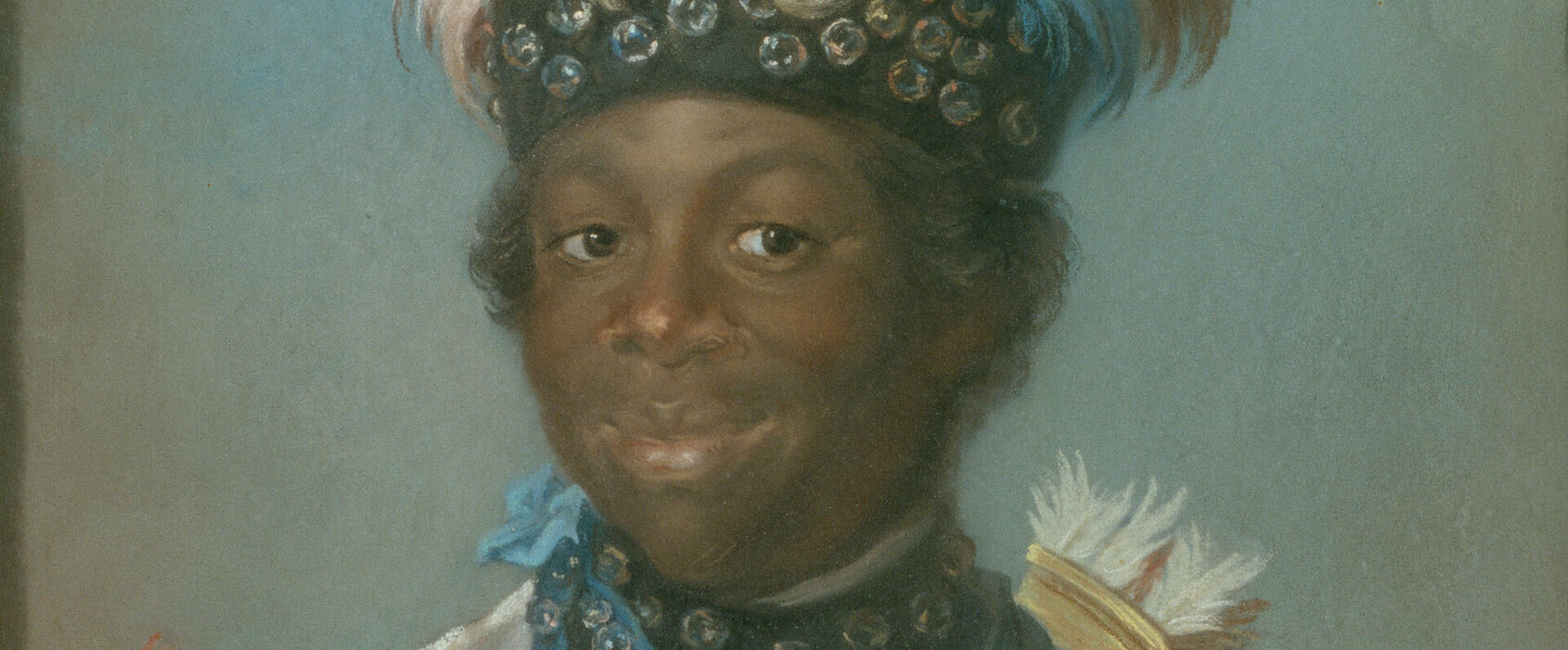
From an enslaved boy to court servant, actor, and independent thinker. This exhibition was the story of an extraordinary life in 18th-century Sweden. It was also a story of slavery and colonialism. Visitors got to know Adolf Ludvig Couschi Badin through his own letters and writings, and met him in Salad Hilowle’s newly created film work, where he had been brought back to life and reflected on his life and on how others have seen him.
Running alongside and partially integrated with the exhibition on artist Johan Tobias Sergel, Nationalmuseum was opening a smaller-scale exhibition about Adolf Ludvig Gustav Fredrik Albrecht Couschi also known as Badin.
Badin is thought to have been born in 1747, seven years after Sergel, as a slave on the island of Saint Croix, a Danish colony in the Caribbean. He was later taken to Europe, where he was eventually presented as a “gift” to Sweden’s Queen Lovisa Ulrika. The exhibition seeked to create a nuanced and multifaceted understanding of how a person of African descent rose to become a significant figure in Swedish society of the time. Nationalmuseum commissioned a new film about Badin by artist Salad Hilowle that appeared in the exhibition.
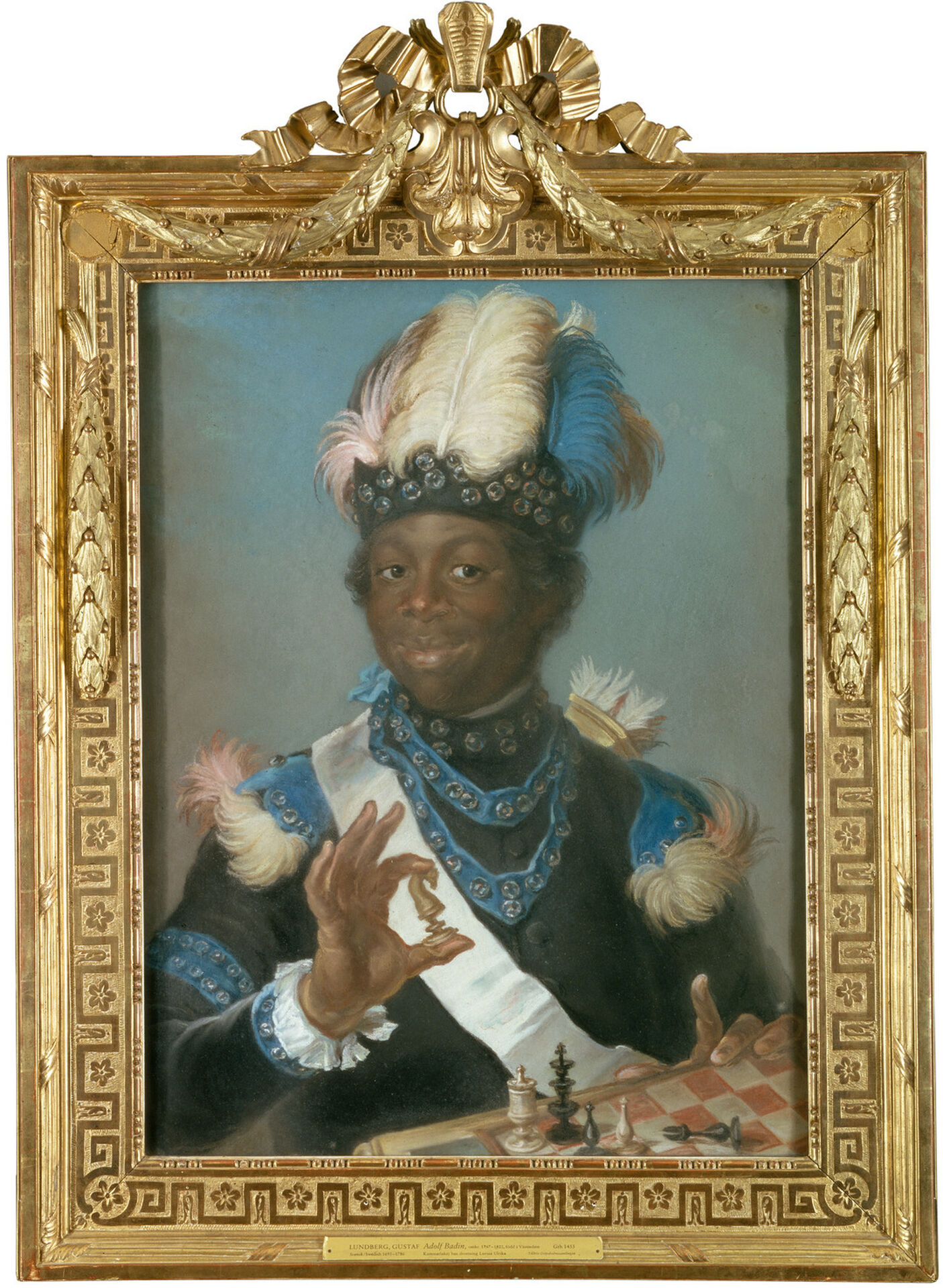
Gustaf Lundberg, Adolph Ludvig Gustav Fredrik Albert Couschi, known as Badin (c. 1747–1822), First Footman, Court Secretary and Titular Assessor, 1775. Pastel. Photo: Nationalmuseum.