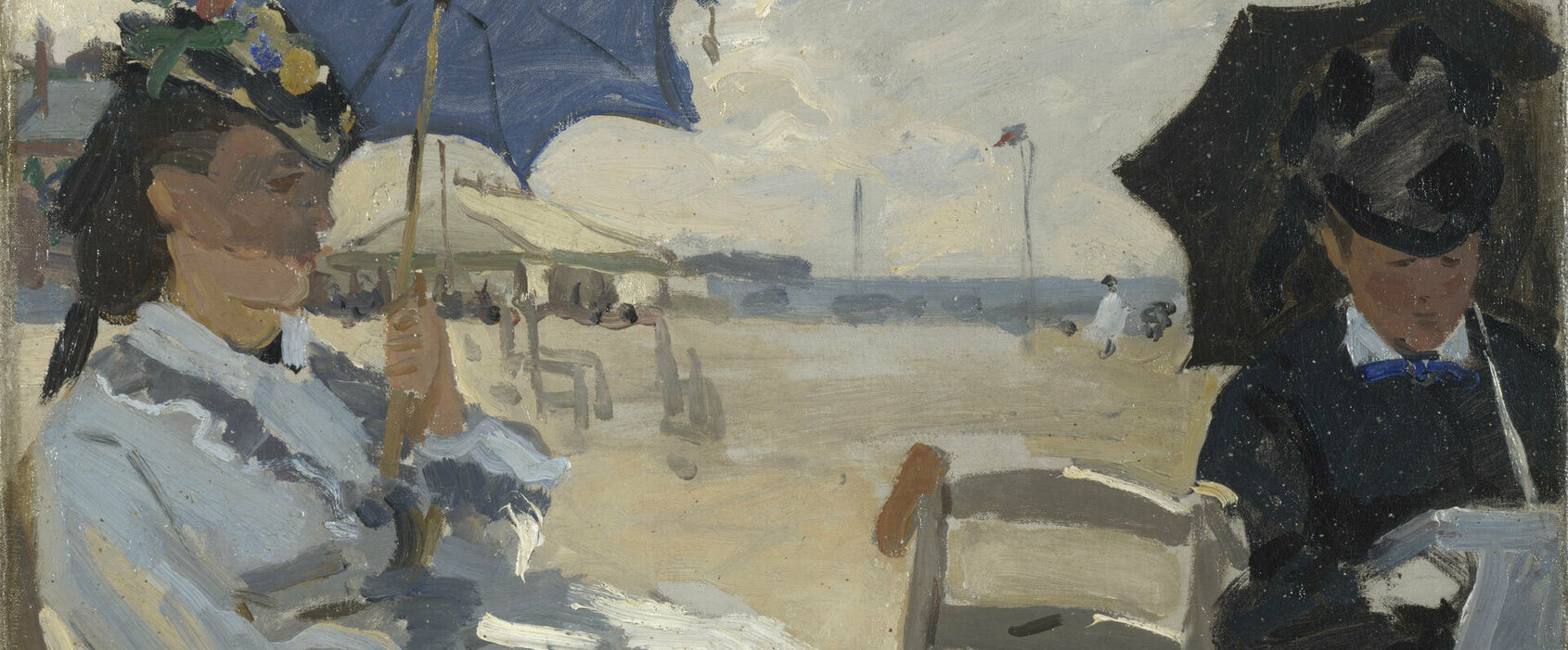
Sun, sandy beaches and the sea. To the Sea! is an exhibition exploring modern seaside tourism in art, showcasing the changing significance of the seashore for artists such as Claude Monet, Anders Zorn, Sigrid Hjertén and many, many others.
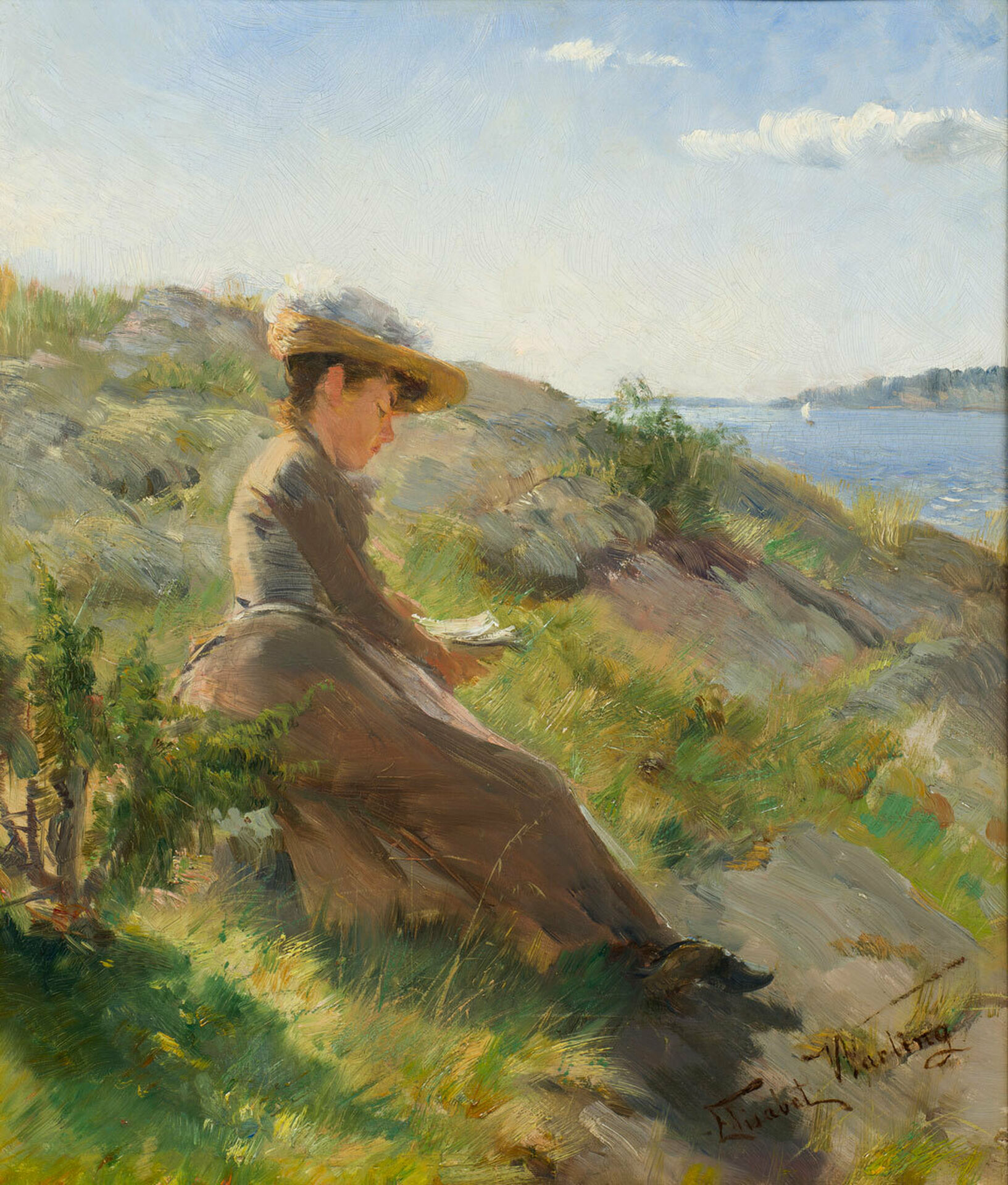
Elisabeth Warling, A woman reading in the archipelago. 1890. Oil on oak panel.
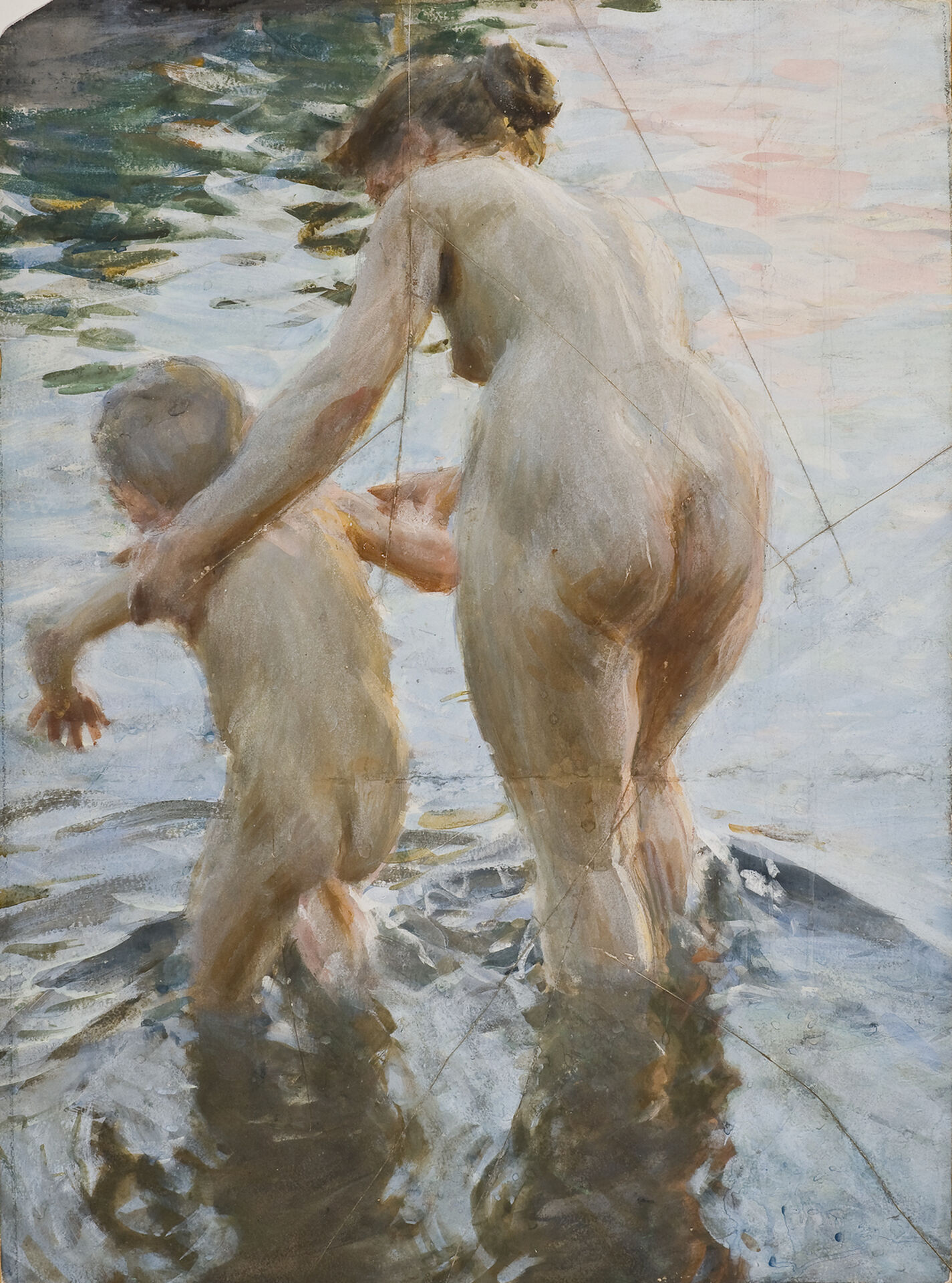
Anders Zorn, Une Première, 1888. Gouache,
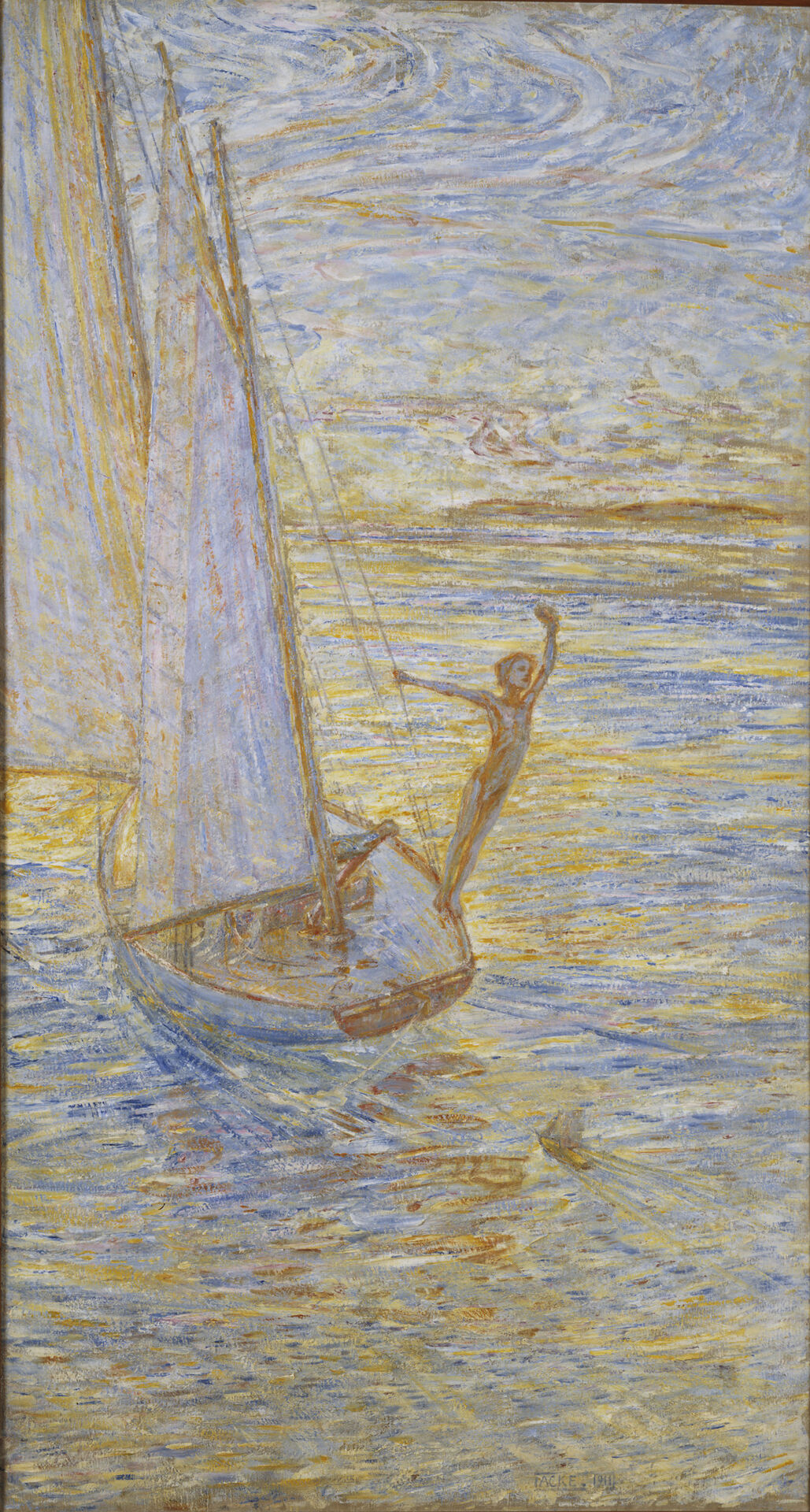
J.A.G. Acke, Morning Air, 1911. Oil on canvas.
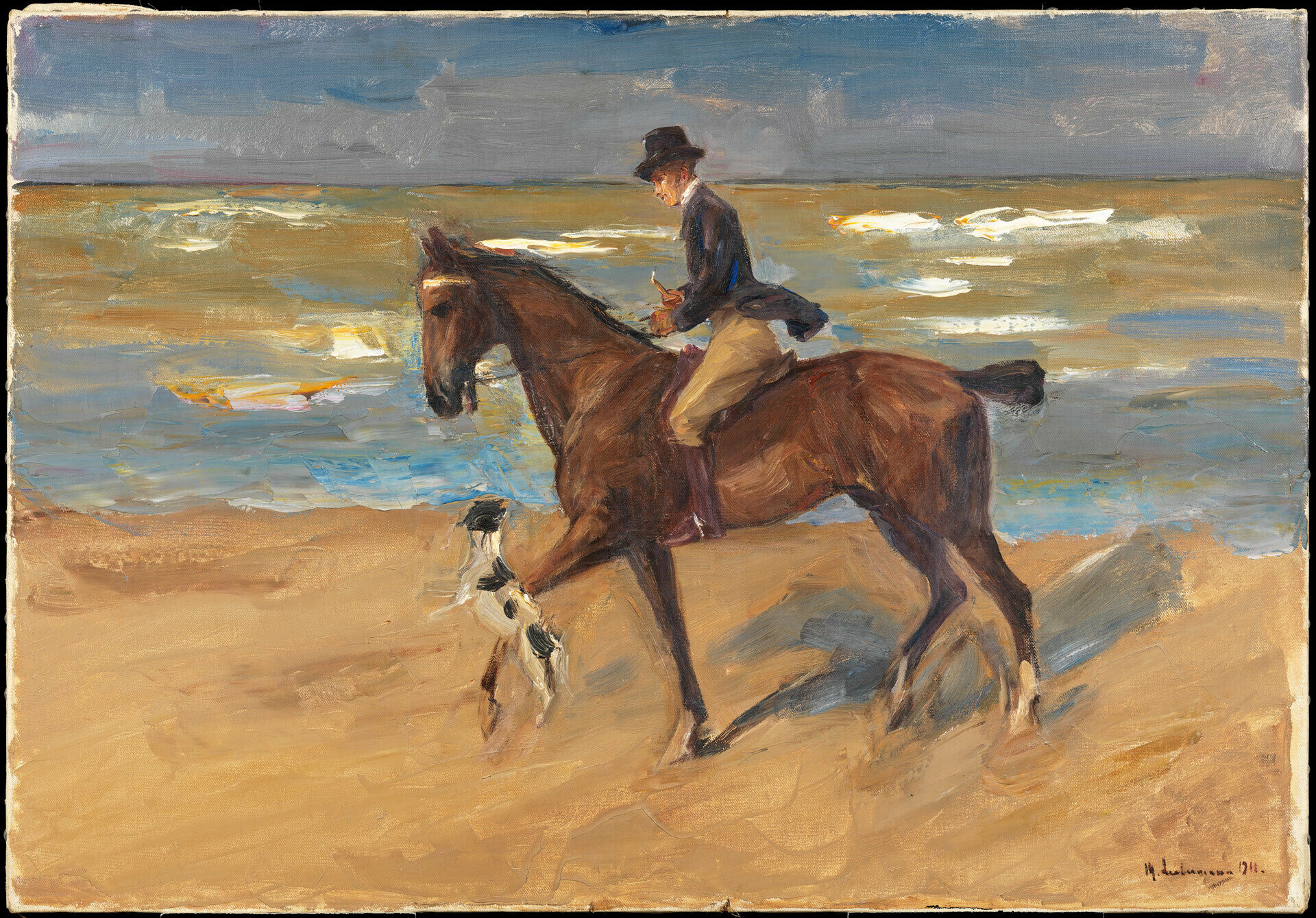
Max Liebermann, Rider on the beach, 1911. Oil on canvas
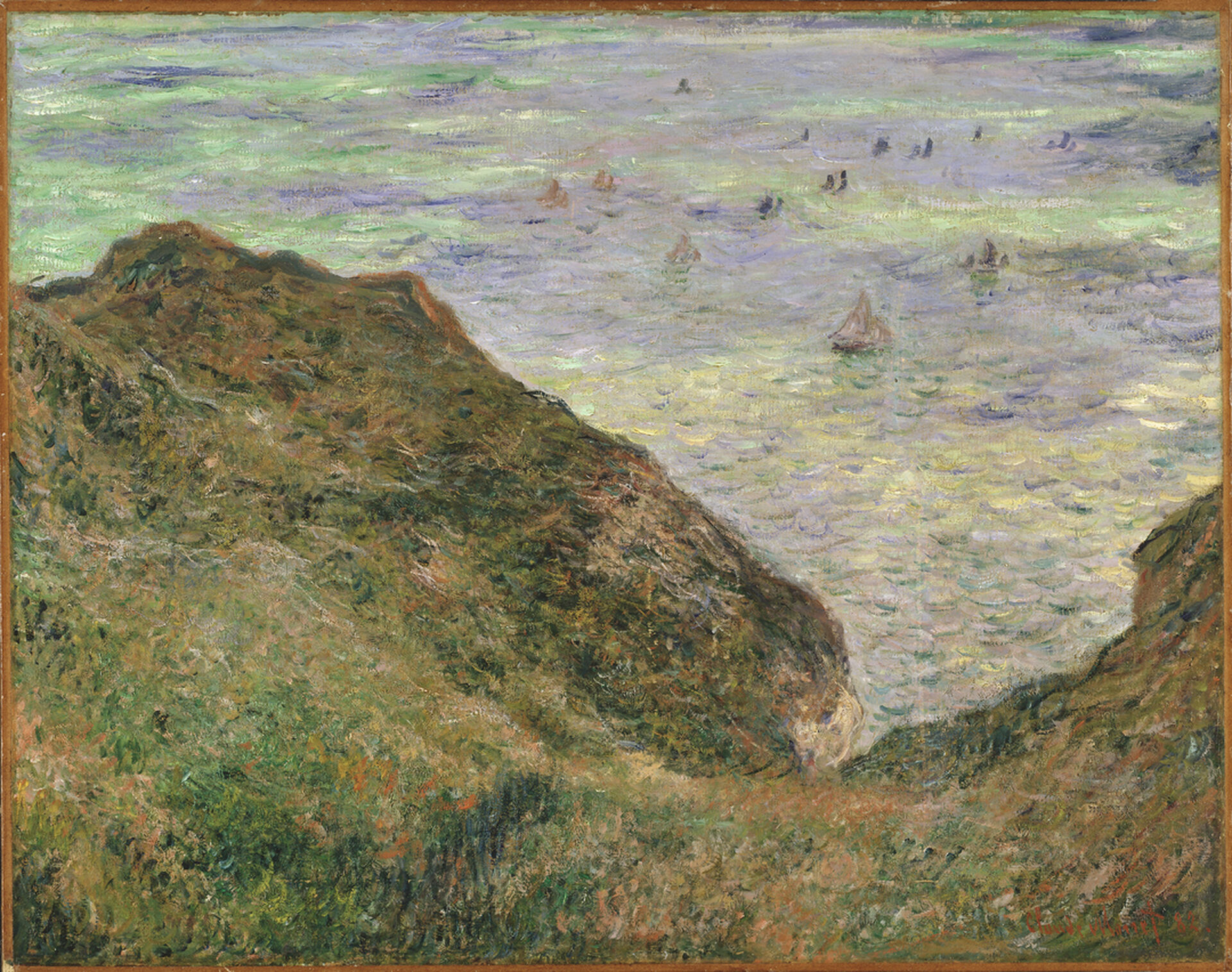
Claude Monet, View over the sea 1882. Oil on canvas.
The emergence of seaside tourism
In the late 19th century, seaside resorts began to spring up along the coasts. It became fashionable to swim in the sea, spend time on the beaches and stay in the new hotels. The seaside resorts also attracted artists, and Impressionists such as Claude Monet and Edgar Degas depicted the coastal landscape and life there. In France, Normandy was a region where seaside tourism grew rapidly. The new railway lines also made the beaches along the coast easily accessible.
Skagen and the painters
A similar development took place in Skagen, Denmark. An artists’ colony was formed here in the 1880s, and soon the long sandy beaches became popular bathing spots. The Skagen painters depicted both seaside life and traditional life in the fishing community. In their paintings, we often encounter the artists themselves, at work or strolling along the beaches in the twilight. The lives of the fishing community were hard and fraught with risk and stood in sharp contrast to the holiday life of the seaside visitors. The encounter between modern seaside culture and the living conditions of the local population is a recurring theme in the exhibition.
Invigorating sea baths
During the first decade of the 20th century, there was a growing interest in depicting the naked male body in art. The sports movement was emerging, and the strong, well-trained man became an ideal. It was also considered beneficial and invigorating to bathe in the sea. In large-scale paintings, artists such as JAG Acke, Eugène Jansson and Edvard Munch depicted naked men bathing in deep blue water and bright sunlight.
Beaches and seaside life in the 20th century
The final section of the exhibition shows how the interest in seaside life and beaches continued in art during the first half of the 20th century. American painters depicted overcrowded beaches off New York, whilst artists on the Swedish west coast transformed scenes from bathing beaches into colourful images of energy and joie de vivre. For the Surrealists, the beach could be interpreted as something more than a boundary between sea and land. The beach became a transition between wakefulness and dreams, between the conscious and the unconscious.
Own highlights and exceptional loans
The exhibition comprises around 200 works – paintings, photographs, advertising posters and more. In addition to the museum’s own rich collections, exceptional loans are on display from museums such as the Metropolitan Museum of Art in New York, the Musée d’Orsay in Paris and the National Gallery in London.
The exhibition is a part of Riksbankens Jubileumsfond’s research-facilitating project RJ Art and Culture, with the aim to make the humanities and social sciences more accessible to a broader public.