This lecture by Ignacio Cano Rivero, curator and former Director of the Museo de Bellas Artes de Sevilla, will focus on describing the factors that shaped the way Spanish painter Francisco de Zurbarán (1598–1664) emerged, developed his style and expressed his art.
Date and time
Friday 27 November, 15:30–16:15
Admission
Free
Seat reservations
Limited number of seats; advance seat reservation required
Tickets will be released shortly
Location
Nationalmuseum, The South Courtyard, ground floor
Language
English
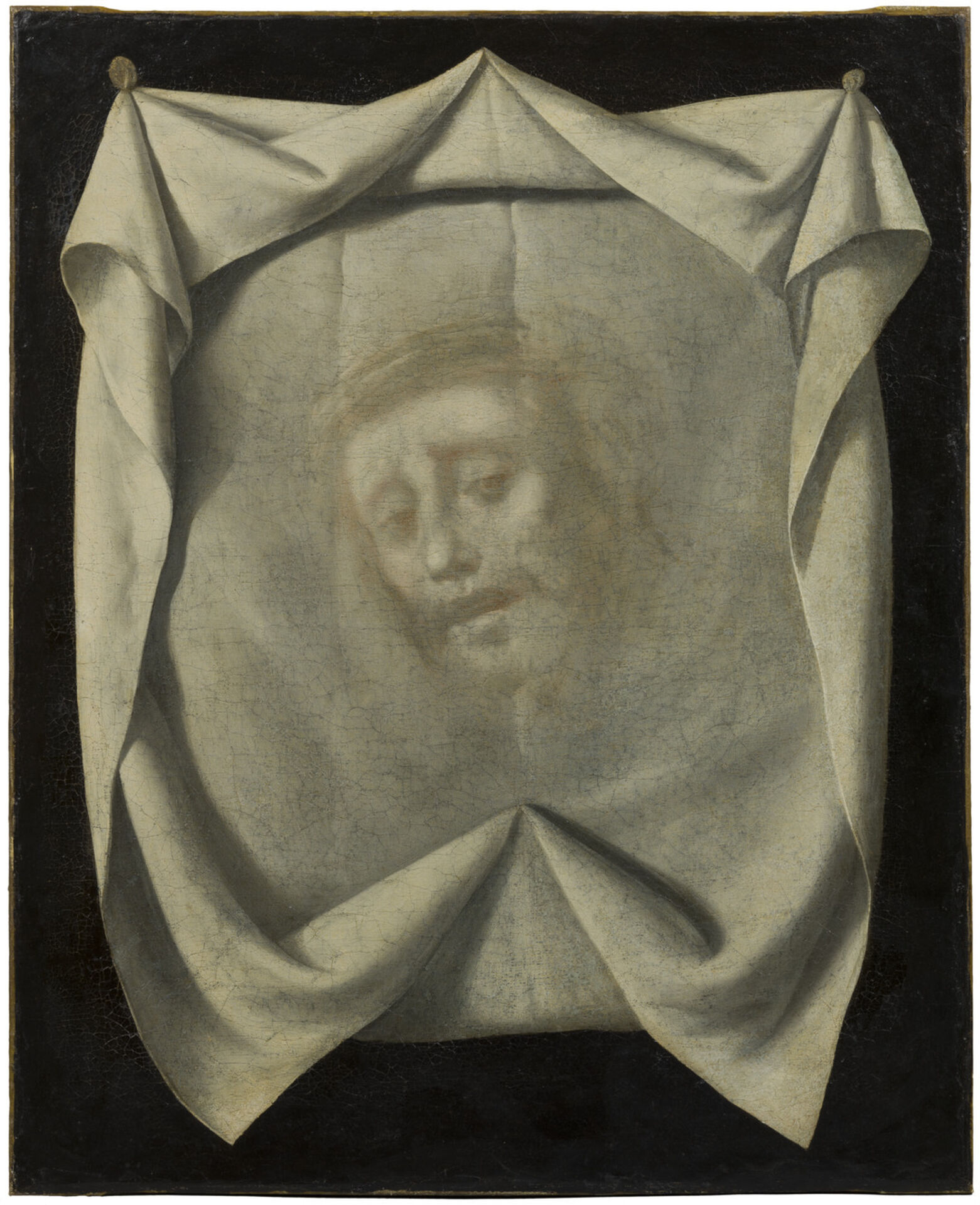
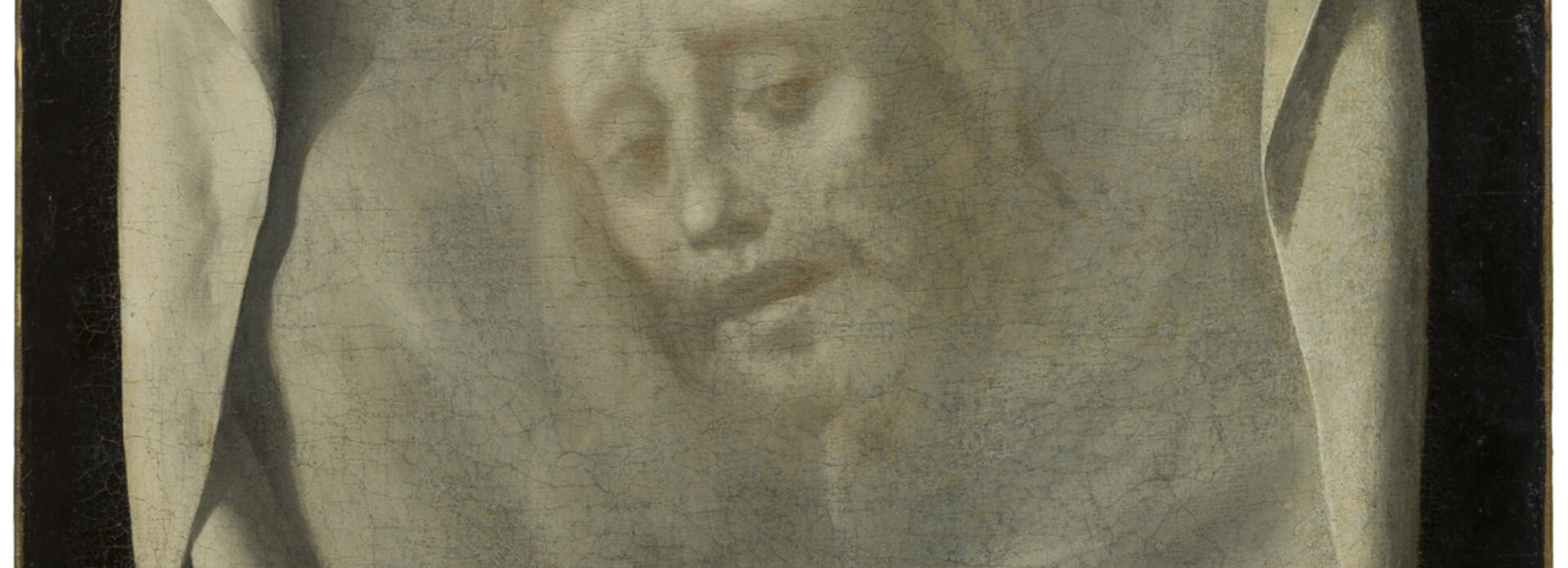
Francisco de Zurbarán, The veil of Saint Veronica, ca 1635–1640. Oil on canvas. Photo: Nationalmuseum.
Which was the political, cultural and economic context of Spain and to which extent was Zurbarán’s work a consequence of the then existing circumstances?
In the first half of the 17th century, Spain found itself culturally isolated from much of Europe due to the recent wars of religion, and at the same time, it was fully focused on its mission in the Americas.
In this context, Zurbarán developed a highly personal vision of the art of painting—one that was original and free from outside influences—making him a painter of profound sensitivity and an original personality, whose work gained widespread recognition in France in the late 19th century and among numerous painters of the early decades of the 20th century, including Picasso.
The lecure is presented in cooperation and with support of the Spanish Embassy in Stockholm.