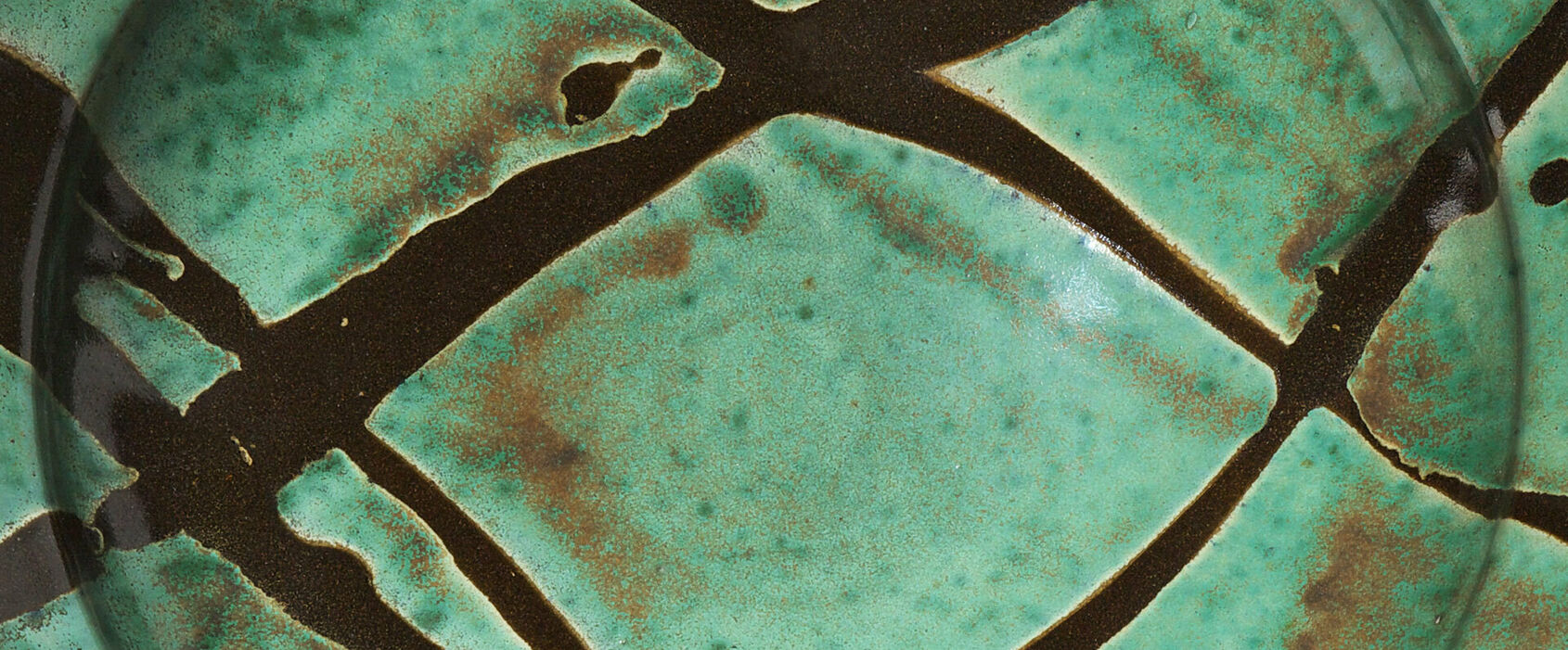
The craft exhibition Wilhelm Kåge & Shōji Hamada. Ceramics Across Borders brings together two masters of ceramics – one Swedish, one Japanese. Both shared a great love of form, clay and glaze. Both shared social engagement and were driven by a desire to combine beauty with function and create beautiful everyday objects – accessible to all. The exhibition also explores cultural exchange and culture as a form of soft power.
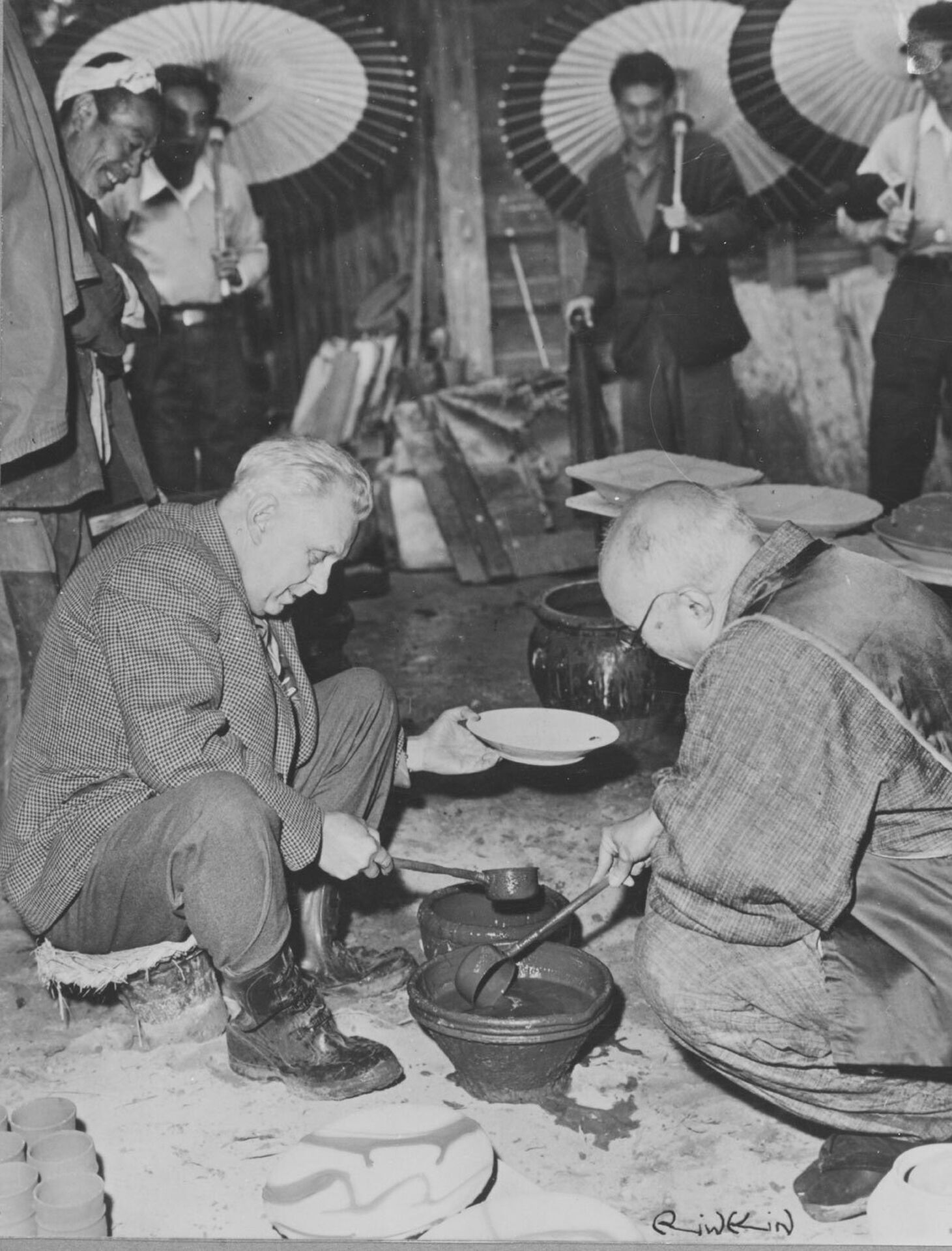
Wilhelm Kåge’s journey to Japan 1956. Gustavsbergssamlingen/Nationalmuseum/Anna Riwkin 1956.© Nationalmuseum / Gustavsbergs Porslin AB
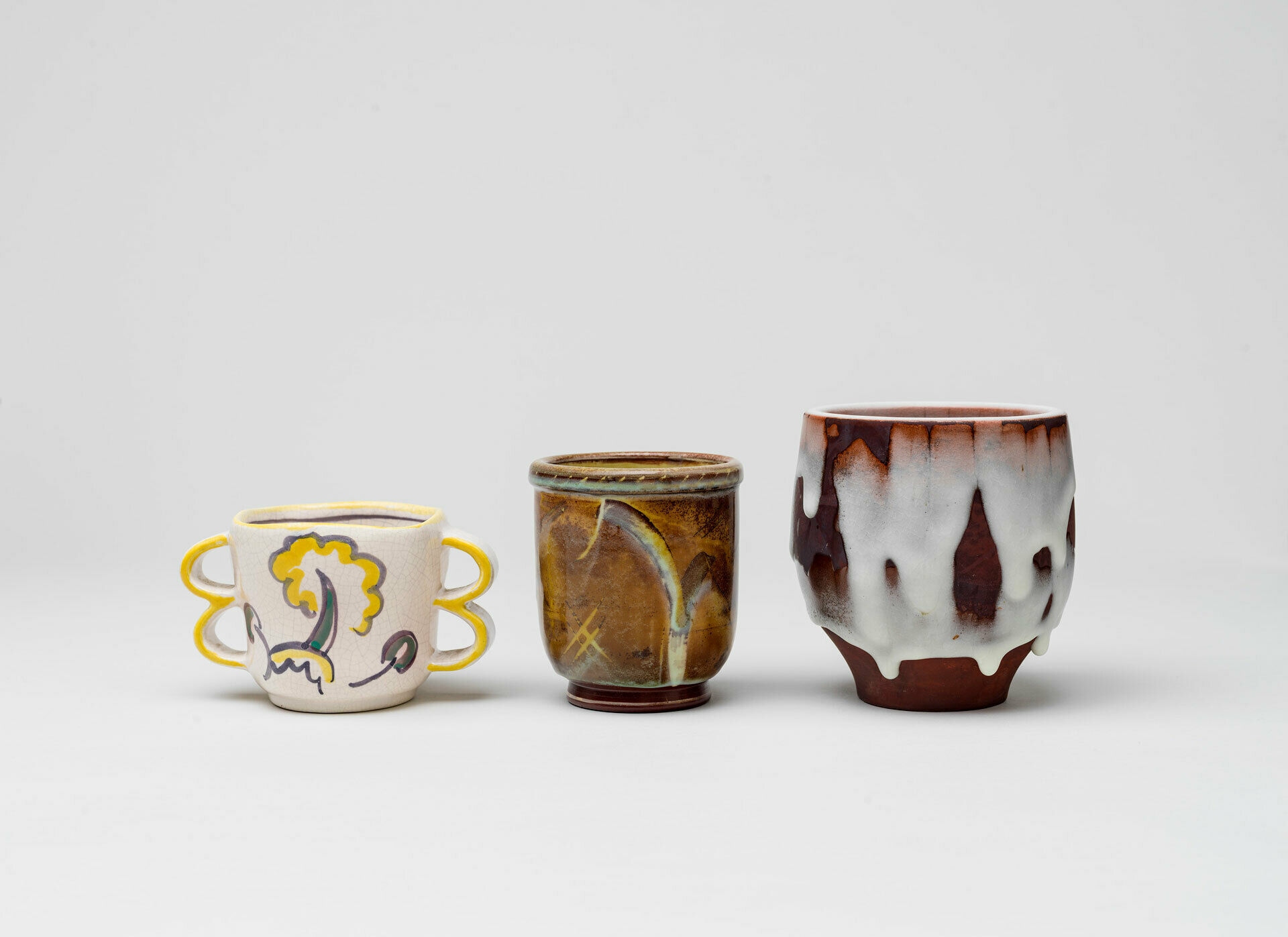
Wilhelm Kåge, Cup with double handles, vase with yellow decor and vase with white glaze, 1920-30s. Earthenware and stoneware, painted decor. Nationalmuseum. Photo: Linn Ahlgren/Nationalmuseum. © Wilhelm Kåge.
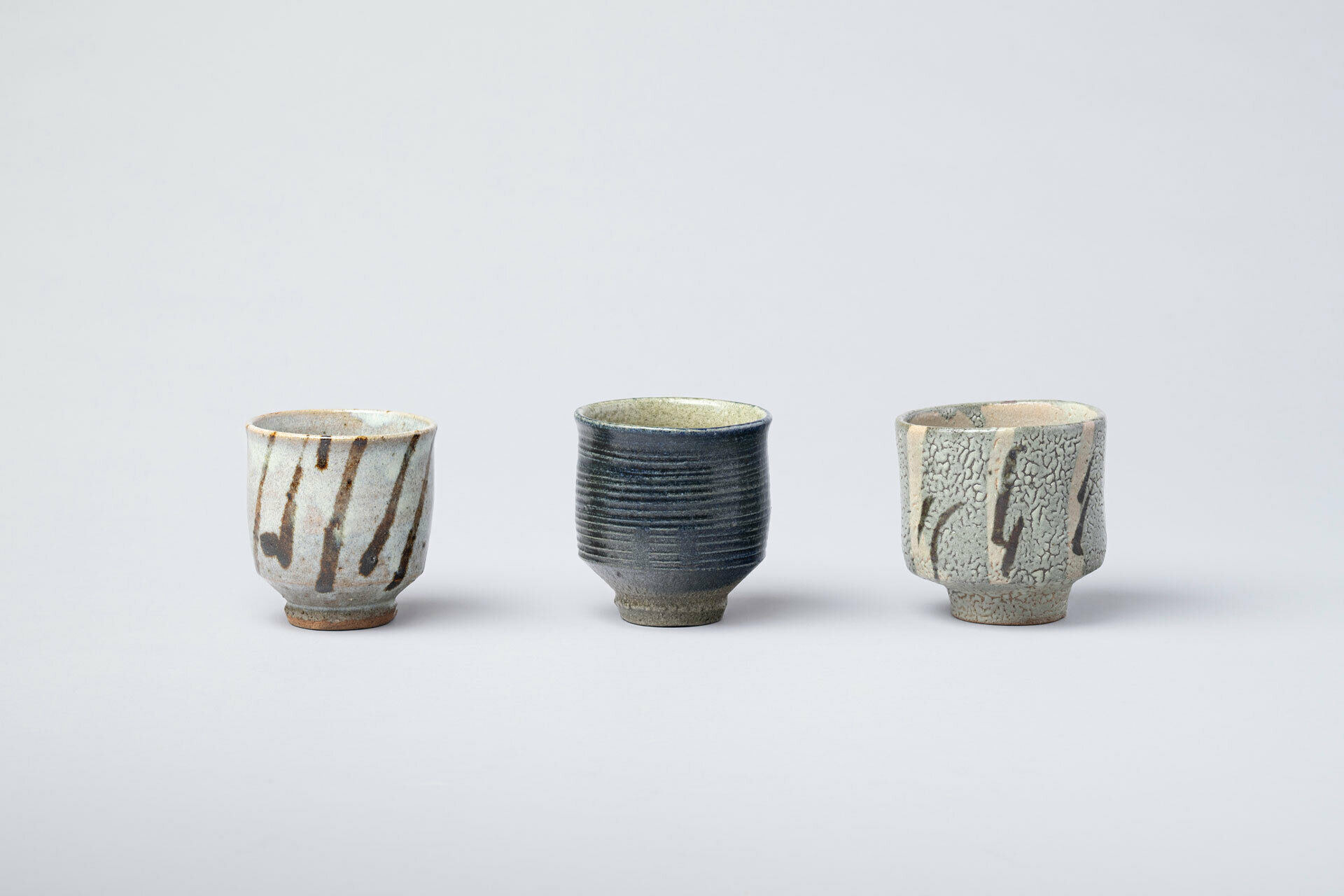
Shōji Hamada, Cups, 1940-50s. Stoneware. Japan Folk Crafts Museum. Photo: Nihon Mingeikan, Japan Folk Crafts Museum. © Shōji Hamada.
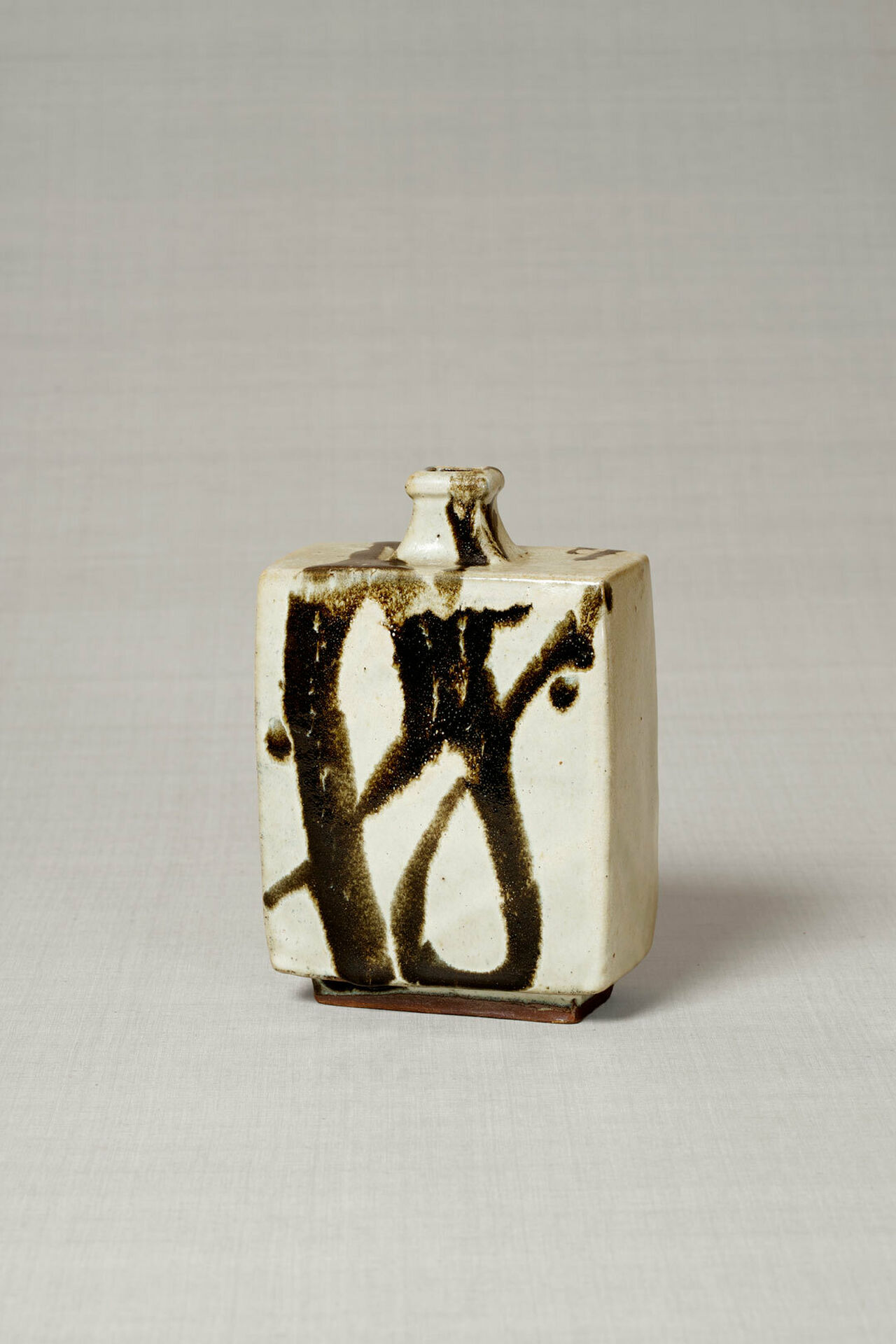
Shōji Hamada, Flask, 1960's-1970's. Stone war, painted decor. Japan Folk Crafts Museum. Photo: Nihon Mingeikan, Japan Folk Crafts Museum. © Shōji Hamada.
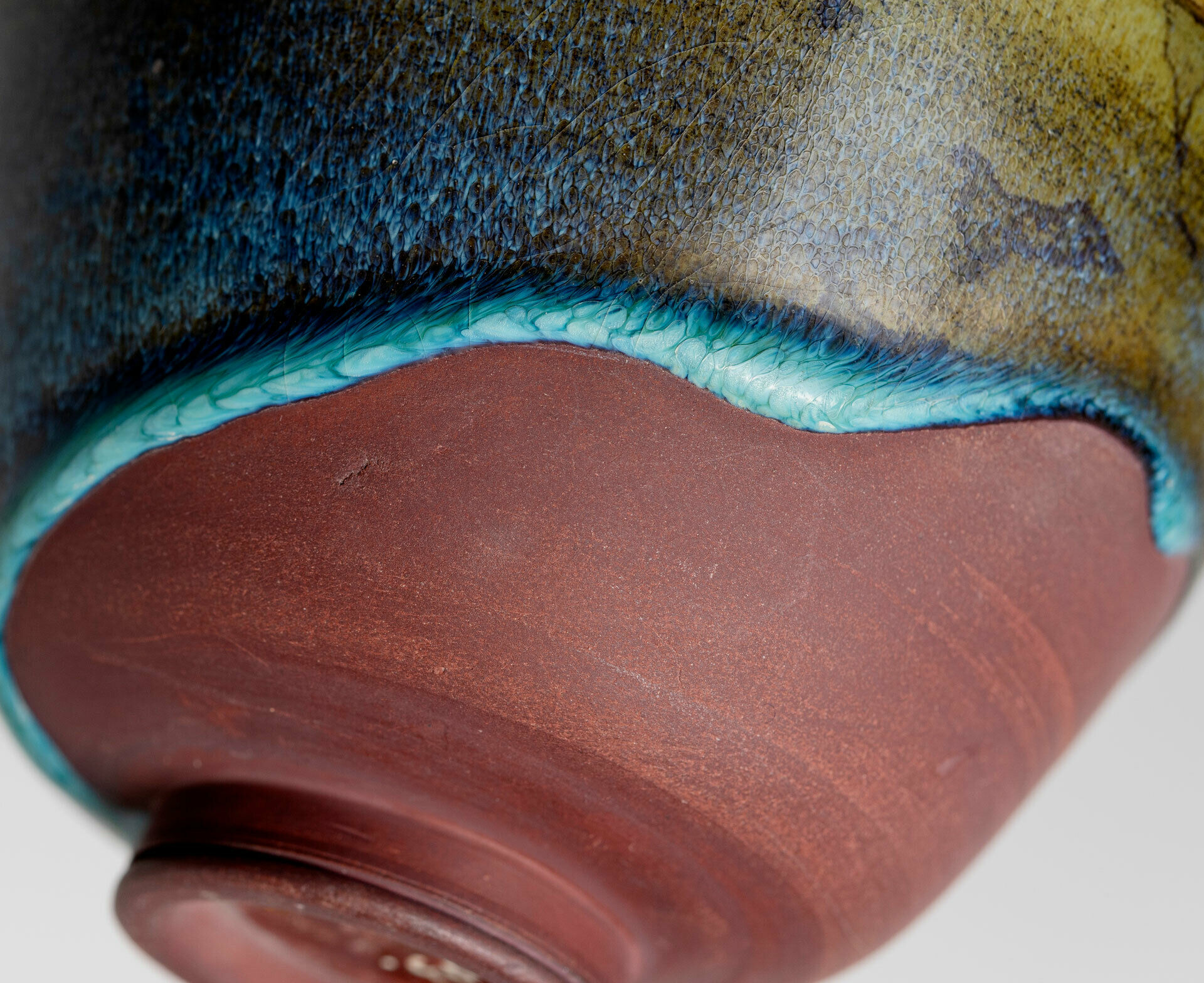
Wilhelm Kåge, Bow with blue and green glaze. Nationalmuseum. Photo: Linn Ahlgren/Nationalmuseum. © Wilhelm Kåge.
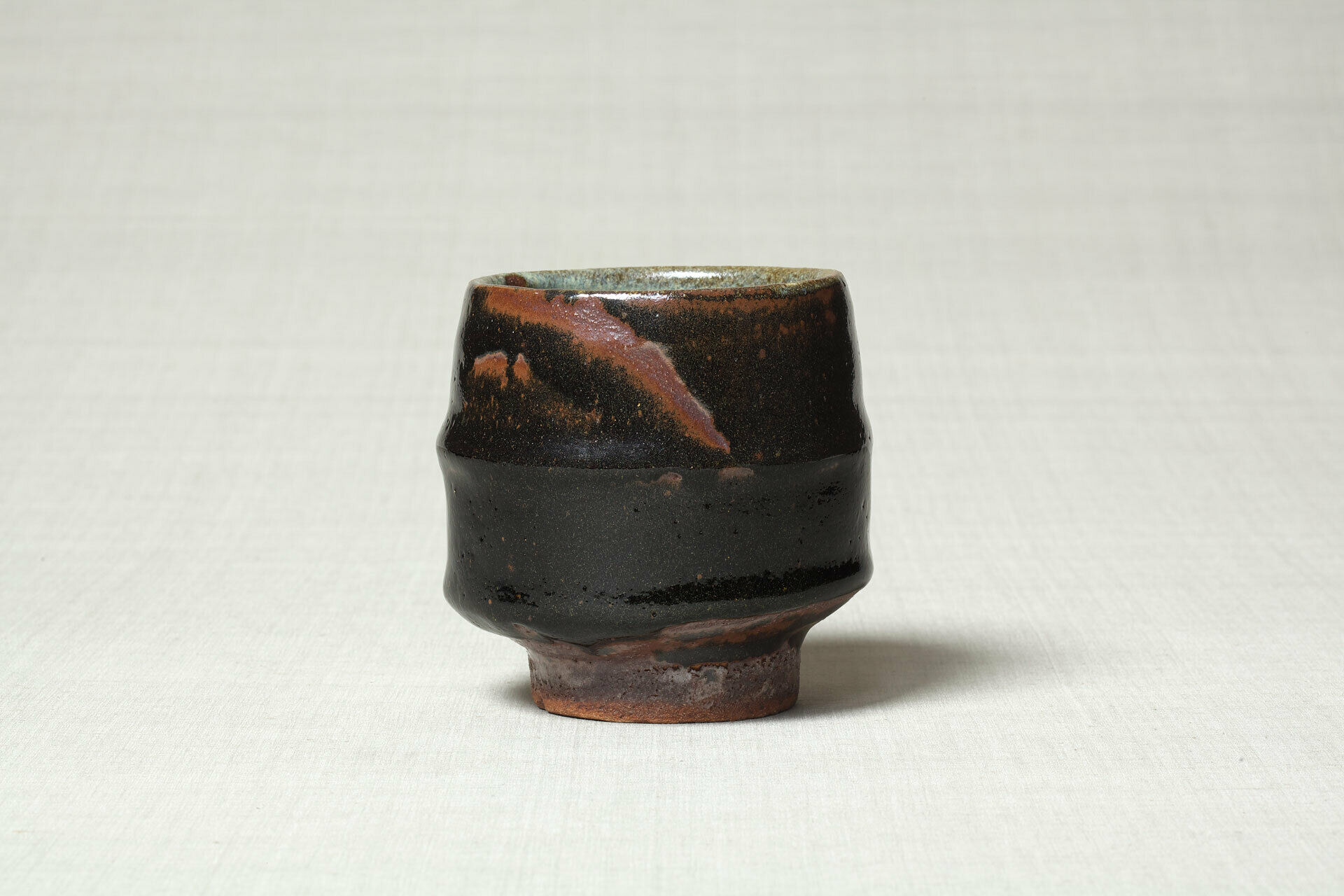
Shōji Hamada, Cup, 1946. Stoneware. Japan Folk Crafts Museum. Photo: Nihon Mingeikan, Japan Folk Crafts Museum. © Shōji Hamada.
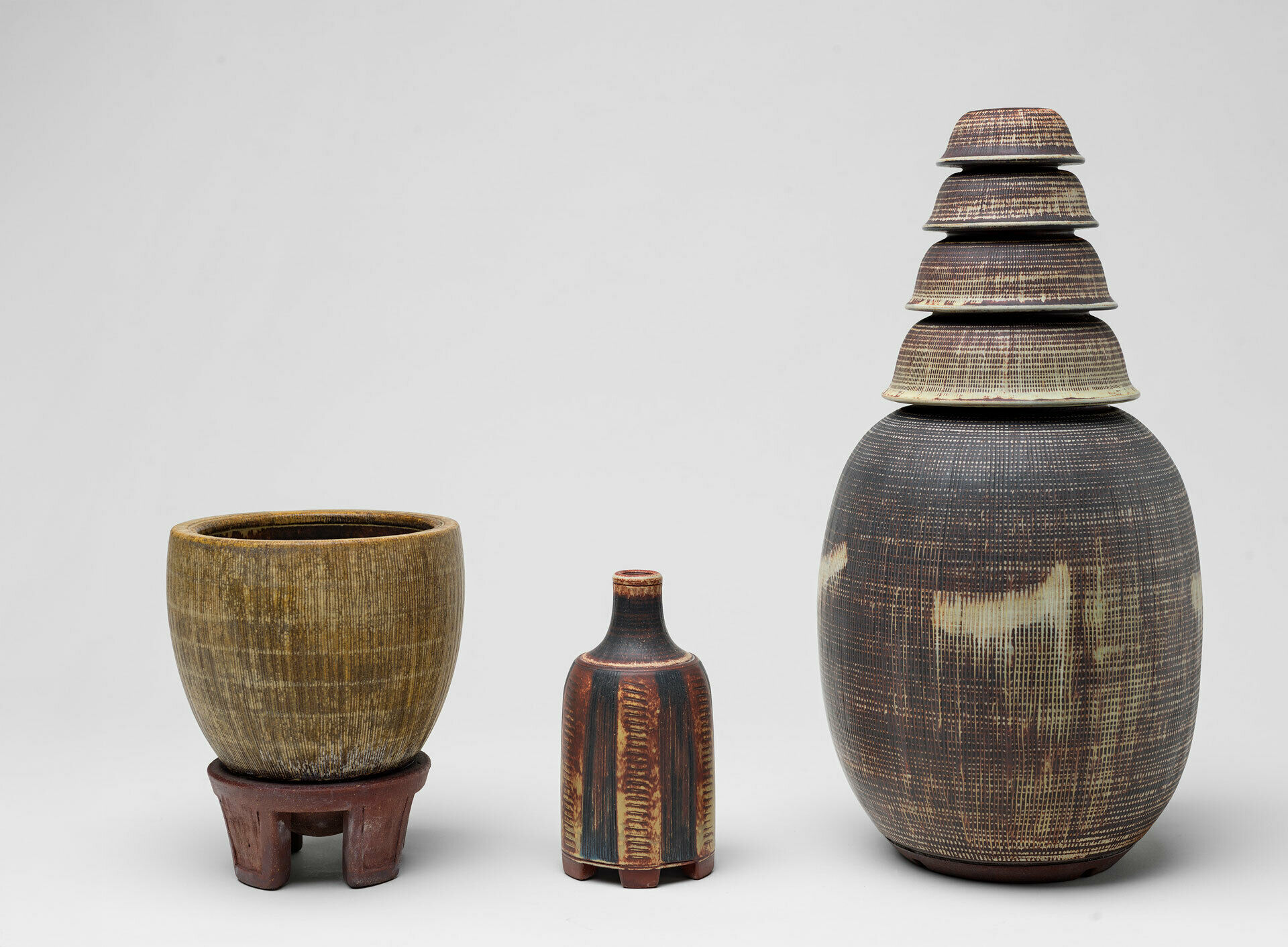
Wilhelm Kåge, Bowl and vases "Farsta", 1953-59. Stoneware. Nationalmuseum. Foto: Linn Ahlgren/Nationalmuseum. © Wilhelm Kåge
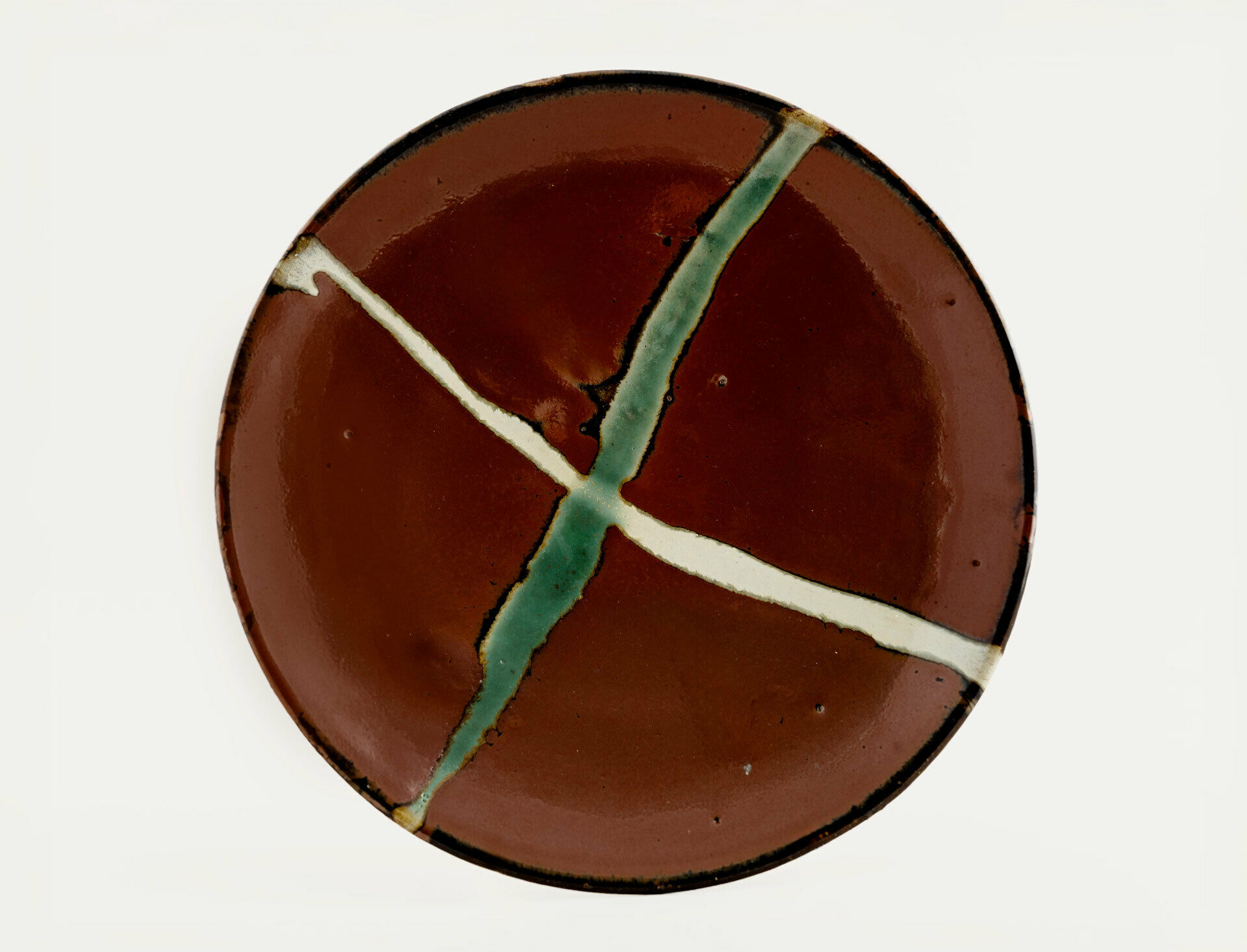
Shōji Hamada, Dish, 1960s. Stoneware. Museum of Far Eastern Antiquities/The National Museums of World Culture. Photo: Linn Ahlgren/Nationalmuseum. © Shōji Hamada.
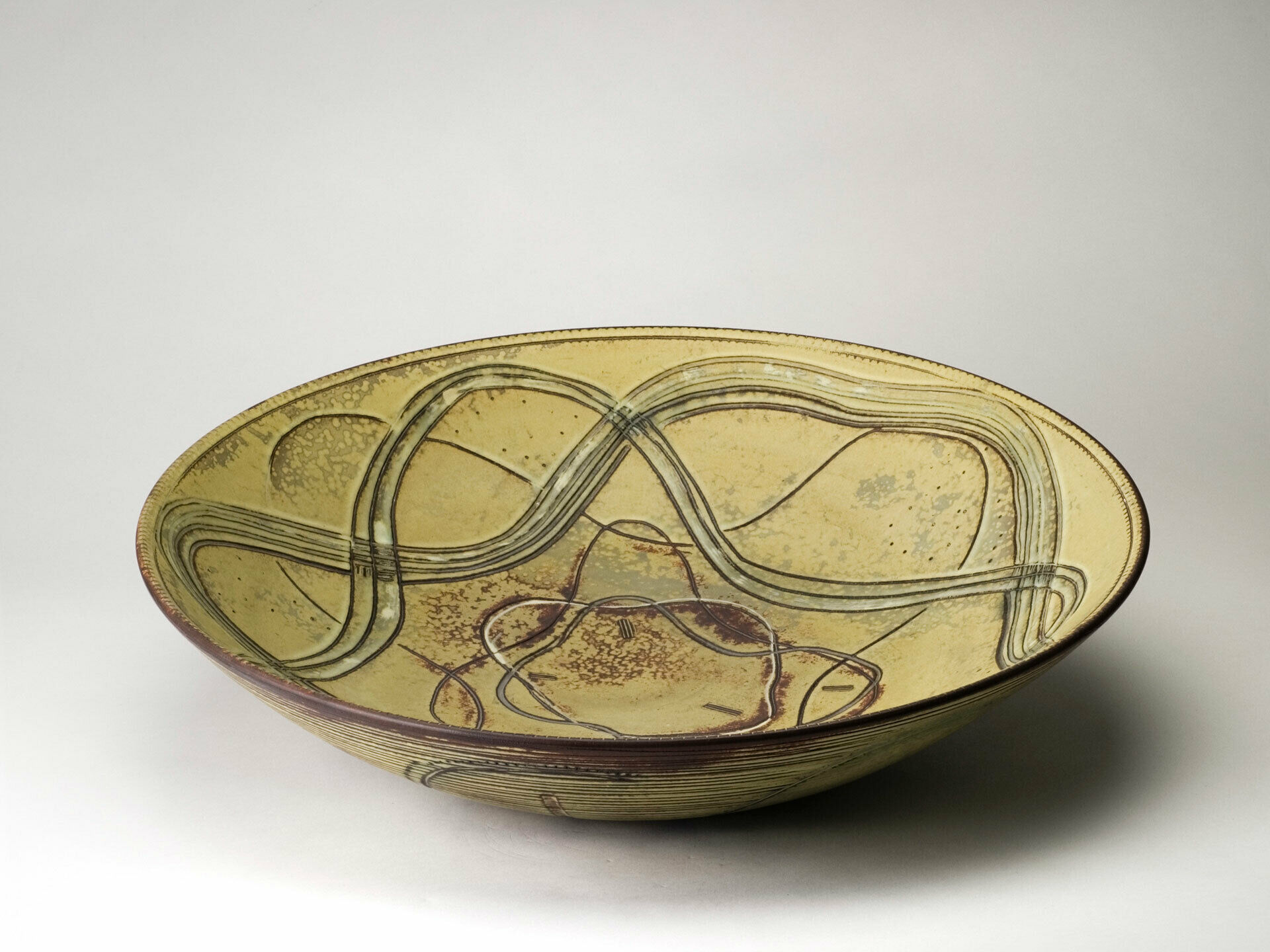
Wilhelm Kåge, Dish "Farsta", 1960. Stoneware. Nationalmuseum. Photo: Linn Ahlgren/Nationalmuseum. © Wilhelm Kåge
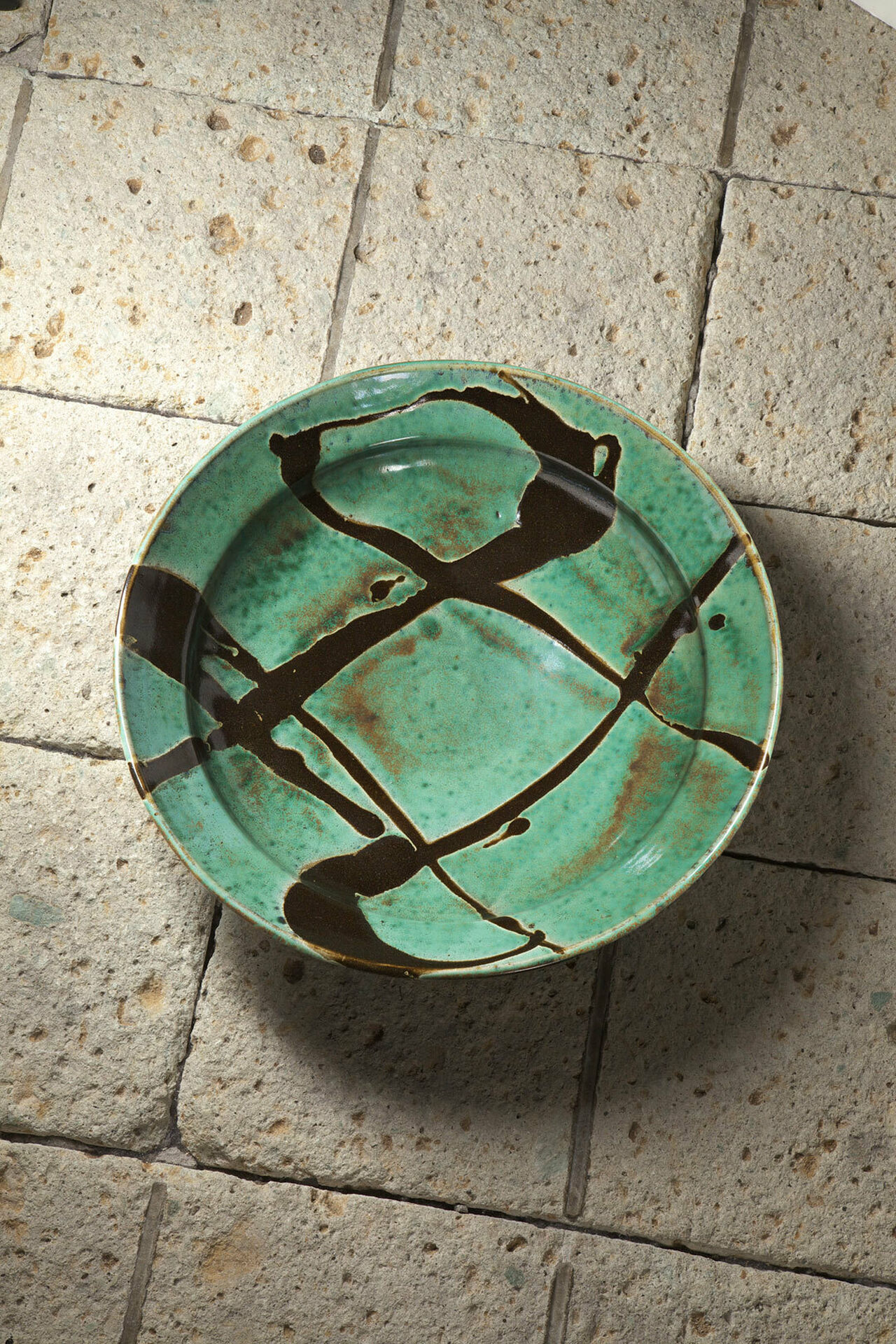
Shōji Hamada, Dish, 1956. Stoneware. Japan Folk Crafts Museum. Photo: Nihon Mingeikan, Japan Folk Crafts Museum. © Shōji Hamada.
Internationally renowned household name
Wilhelm Kåge’s (1889–1960) ceramics and beautifully designed everyday objects from the Gustavsberg porcelain factory hold a natural place in every Swedish home. He was also internationally renowned; and when the New York Times reviewed a Kåge exhibition in New York in 1958, he was named one of the world’s three leading ceramicists alongside Shōji Hamada of Japan and the British potter Bernard Leach.
Role model for Japanese potters
Shōji Hamada (1894–1978) was one of Japan’s leading ceramicists. He played a central role in the Mingei (folk art) movement that emerged in the 1920s. His wheel-thrown utilitarian wares with their generous forms, dipped in glazes and decorated with swiftly yet accurately applied broad brushstrokes, set a precedent for generations of Japanese potters. In 1955, the Japanese government awarded him the title of Ningen Kokuhō – a Living National Treasure.
Encounters of masters
Wilhelm Kåge and Shōji Hamada met on a number of occasions. Hamada visited Sweden in 1929 to study the Nordiska museet and Skansen. He returned in 1952 and visited Kåge in Gustavsberg. In 1956, Kåge travelled around Japan and spent almost two weeks as Hamada’s guest. They exchanged knowledge and experience during their encounters.
Similar starting points, different paths forward
At first glance, however, Wilhelm Kåge and Shōji Hamada appear to have little in common; and yet both were shaped by visions rooted in the British Arts & Crafts movement. Both also maintained close ties with reform movements that emerged in response to critical views of the art industry’s production and impact on society. However, they followed different paths towards their shared vision: a world in which people’s lives were enriched with beautiful utilitarian objects. There were other crucial differences, too, both culturally and in their circumstances and views on ceramics. One key difference was that Kåge worked as a designer at a factory, while Hamada was a craftsman who ran his own workshop.
That is why exhibiting the works of Kåge and Hamada together goes beyond allowing the two masters to reflect one another. Their similarities and differences invite reflection on a more general level as well as providing opportunities to address a number of perennial design issues. Interestingly, both were active during a period shaped by dramatic global events marked by war and peace, a time when art and design served as both projections of national ideologies and instruments of soft power.
A Swedish-Japanese collaboration
This exhibition is a collaboration between Nationalmuseum and the Nihon Mingeikan (Japan Folk Crafts Museum), Tokyo. It features more than two hundred artefacts from Nationalmuseum’s collection and around a hundred works from the Nihon Mingeikan, the Shōji Hamada Memorial Mashiko Sankokan Museum, the Museum of Far Eastern Antiquities and the Kåge family.
A book titled Wilhelm Kåge & Shōji Hamada. Ceramics across borders will be published in conjunction with the exhibition, featuring essays by Helena Kåberg and Ulrika Schaeder of Nationalmuseum, Mayumi Furuya of the Nihon Mingeikan and Takuji Hamada of Kwansei Gakuin University.
The exhibition will be presented at Bard Graduate Center Gallery (New York, NY) in early 2027.
Curators of the exhibition
Helena Kåberg and Ulrika Schaeder, Nationalmuseum and Mayumi Furuya, Nihon Mingeikan
Exhibition design
Henrik Widenheim, Nationalmuseum