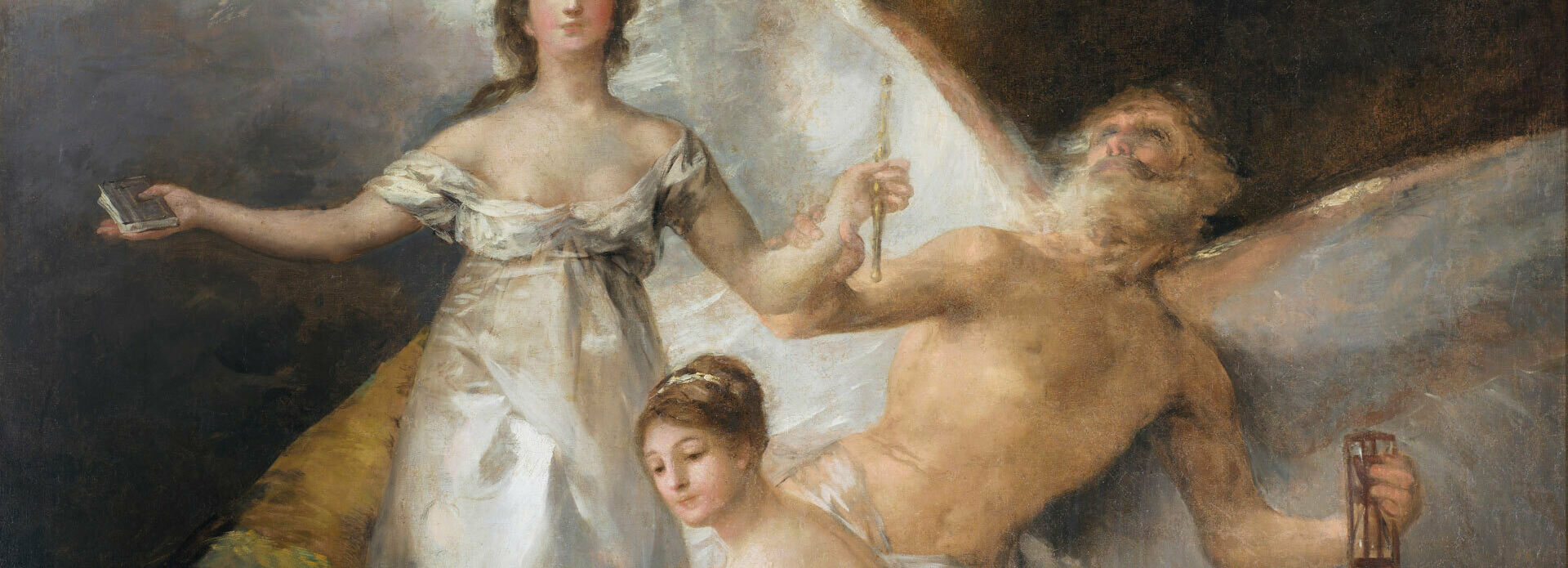
Learn more about Francisco de Goya when Nationalmuseum welcomes the Spanish Goya specialist José Ignacio Calvo Ruata. Using works from the Nationalmuseum collection as a point of departure, he will discuss Goya’s different styles and techniques. In collaboration with Instituto Cervantes Stockholm.
Date and time
Friday, 6 March, 15:30–16:30
Tickets
Free admission, but advance booking of a seat is required
Location
The South courtyard, ground floor
Language
English
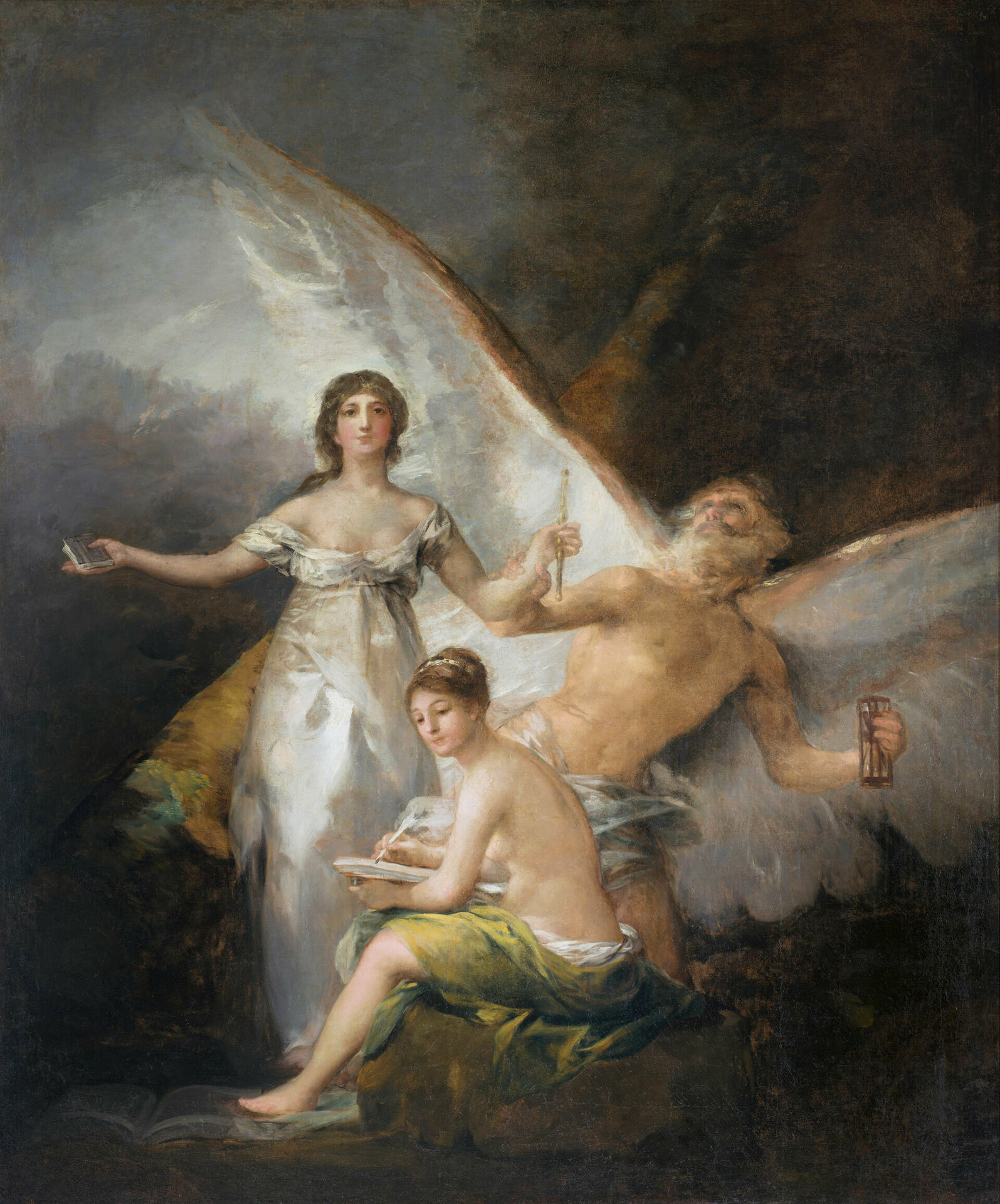
Francisco de Goya, Truth, time and history, 1804-1808. OIl on canvas.
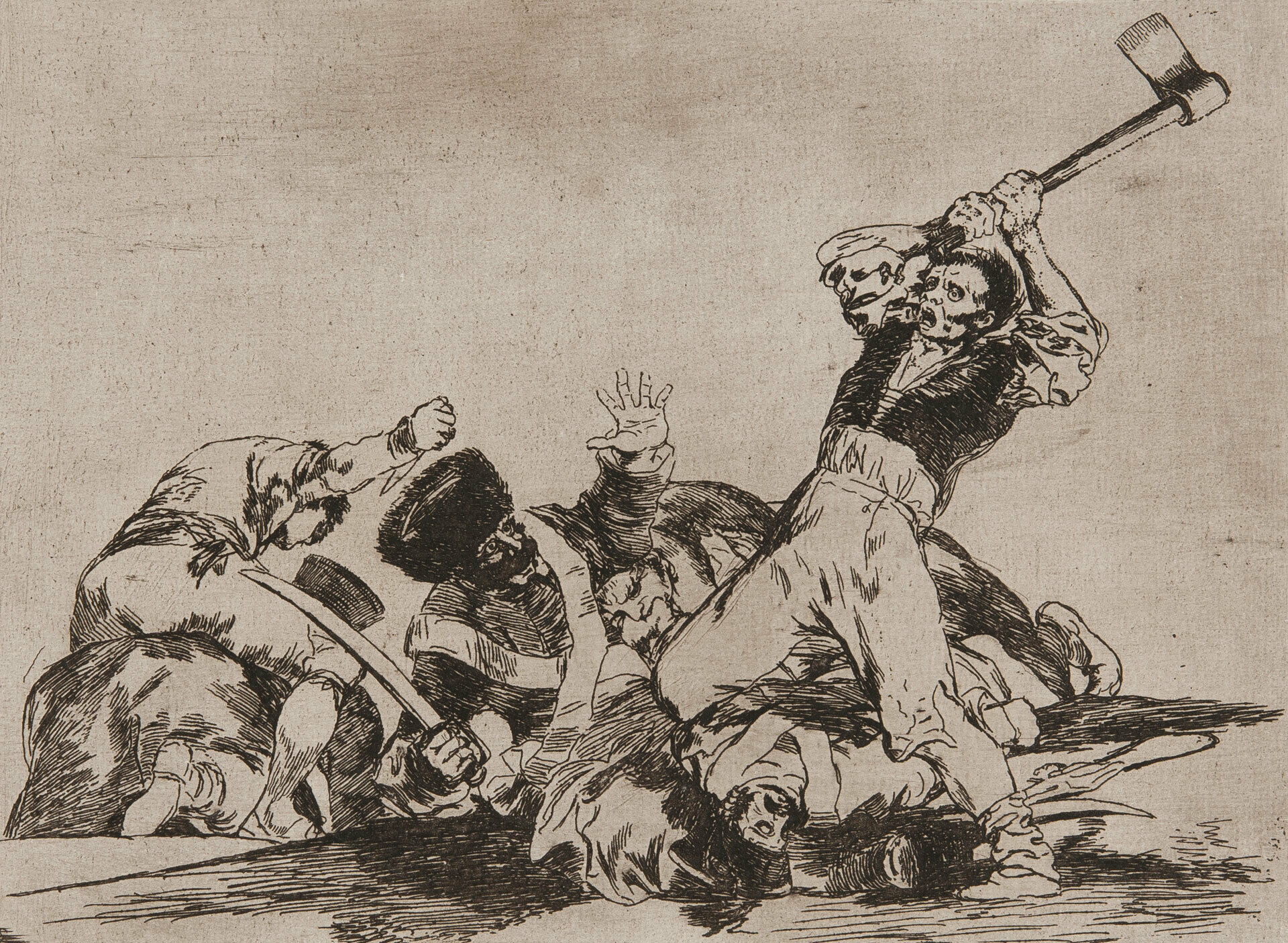
Francisco Goya y Lucientes, Lo mismo. Los Desastres de la guerra/ The same. The Disasters of War, nr 3. Etching, drypoint, burin and burnisher on paper
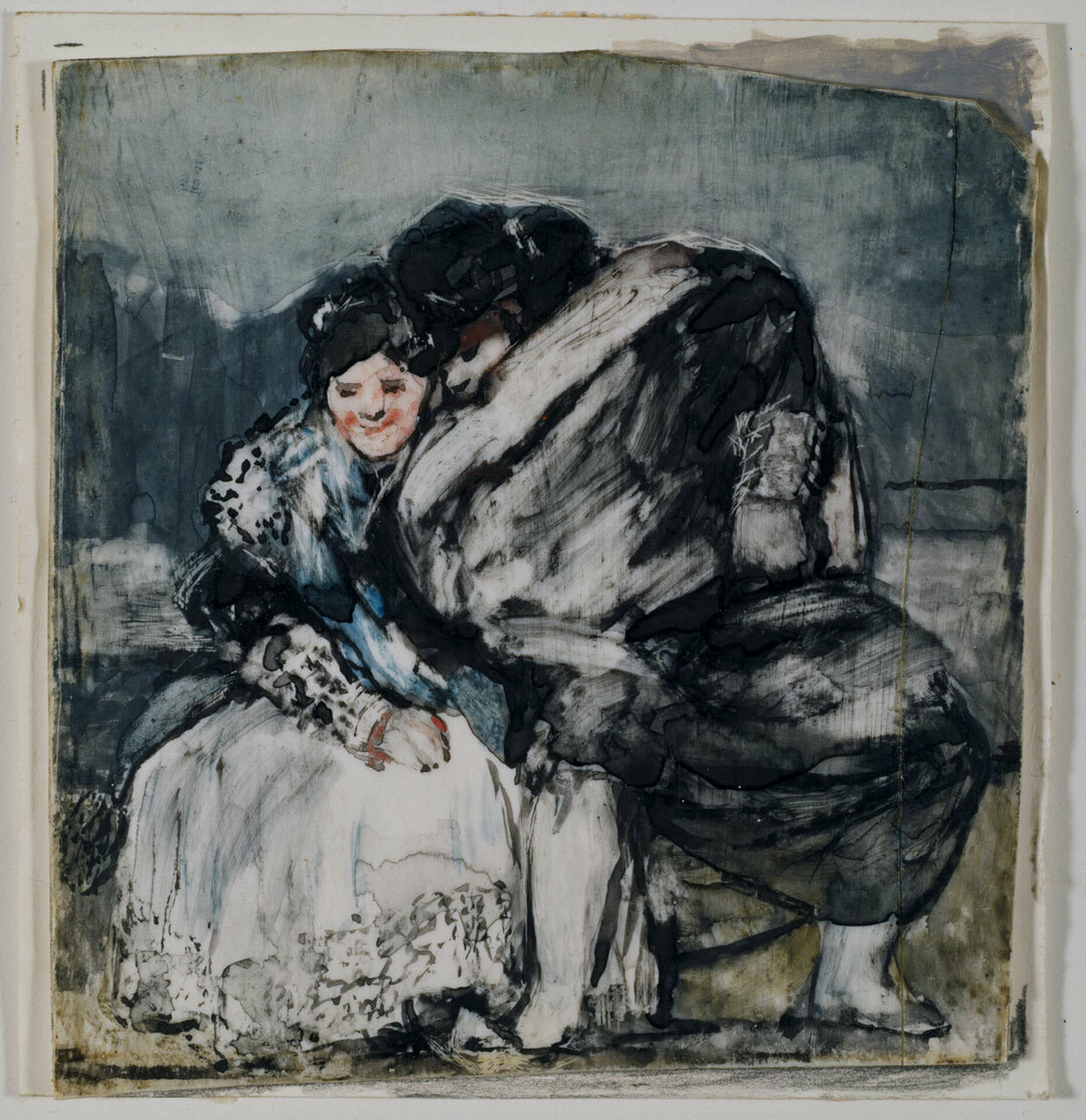
Francisco Goya y Lucientes, Seated Woman and Man in Spanish Cloak, Majo and Maja. Watercolour and ink on ivory
About the lecture
Francisco José de Goya y Lucientes is considered the most important Spanish artist of the late 18th and early 19th centuries. His paintings, drawings and etchings reflected the historical upheavals of his time and influenced major artists throughout the 19th and 20th centuries. Goya is often described as the last of the Old Masters and the first of the moderns.
The Nationalmuseum collection includes four paintings by Goya, a couple of them with allegorical motifs, as well as a large number of graphic works, including the series Los Desastres de la Guerra, depicting horrific and realistic scenes from the everyday reality of war.
This afternoon offers a chance to learn more about Goya and his creative universe. Lecturer José Ignacio Calvo Ruata will guide us closer to the artist’s various styles and techniques as a portrait painter, allegorical painter, draftsman, and printmaker.
The lecture is organized in collaboration with Instituto Cervantes Stockholm.
About the lecturer
José Ignacio Calvo Ruata holds a PhD in Art History from the University of Zaragoza and is a specialist in 18th-century Spanish art, with a focus on Goya. He has worked as a university lecturer and has been responsible for the restoration of cultural heritage in Zaragoza. As a board member of Fundación Goya en Aragón, he leads research projects and works as an author and curator.