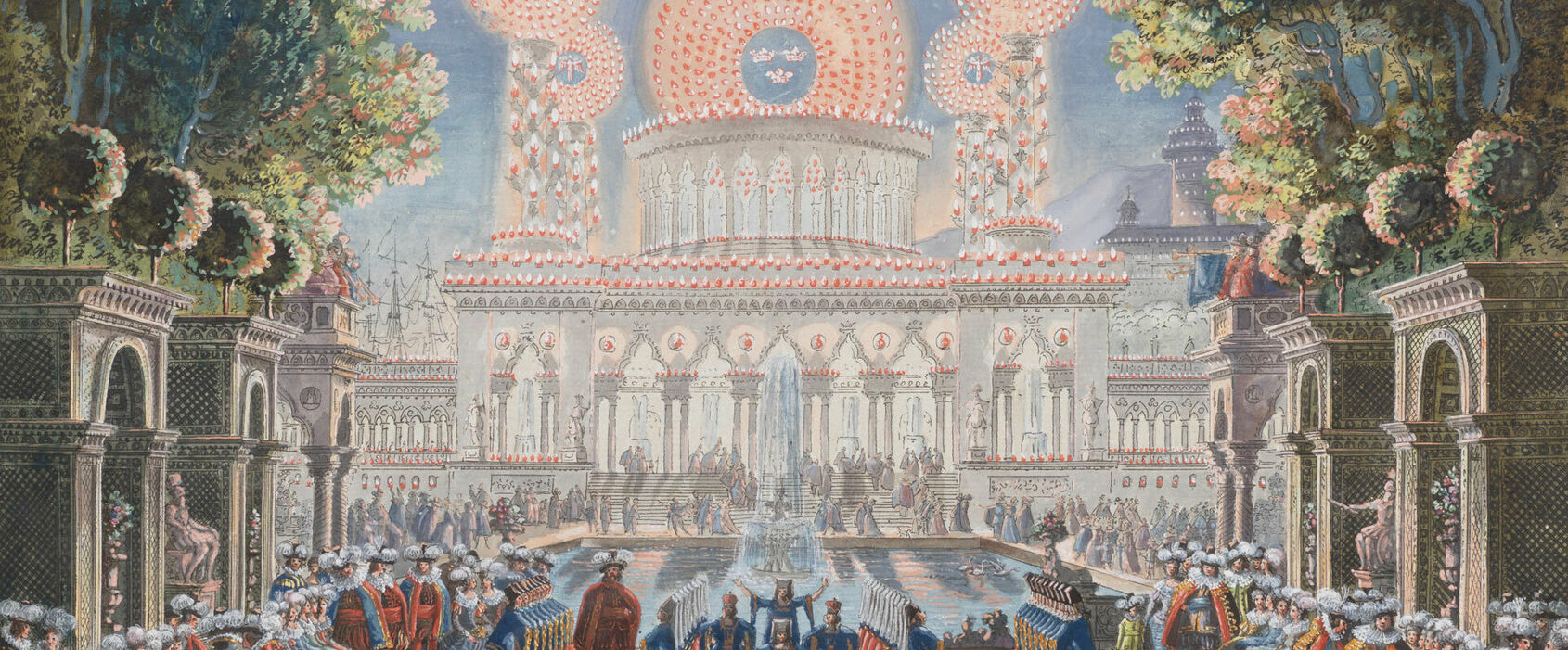
Louis-Jean Desprez was a traveler, painter, architect, and engraver – and one of the foremost scenographers of the late 18th century. The Institut suédois (Swedish Institute) in Paris, presented an exhibition that highlighted and brought newed attention to this multidisciplinary artist. The exhibition was produced by Instsitut Suédois and Nationalmuseum.
At Institut suédois in Paris, you can view parts of an art collection known as the Tessin Collection, which bears witness to the cultural and political ties between Sweden and France from the 17th century to the present day. The collection features works by artists such as Alexander Roslin, Louis-Jean Desprez, Jacques-Philippe Bouchardon, Julia Beck, and Olle Baertling. The collection is managed by Nationalmuseum.
In connection with the rehanging of the Tessin Collection in spring 2025, artist Louis-Jean Desprez was being honored with a dedicated exhibition that highlighted his central role in the artistic exchange between France and Sweden during the 18th century.
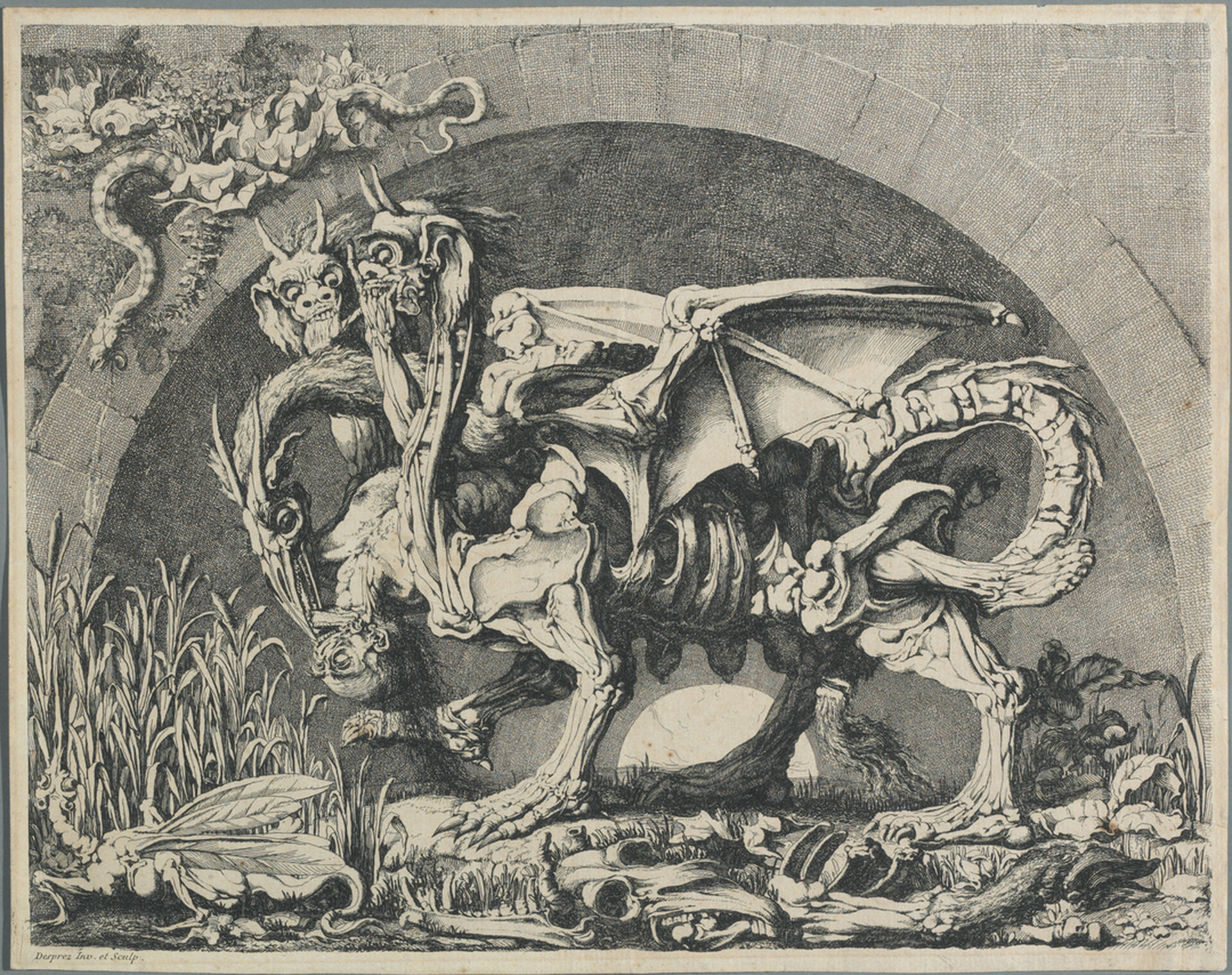
Jean-Louis Desprez: La Chimière or The three-headed african hydra, 1771. Etching on paper.
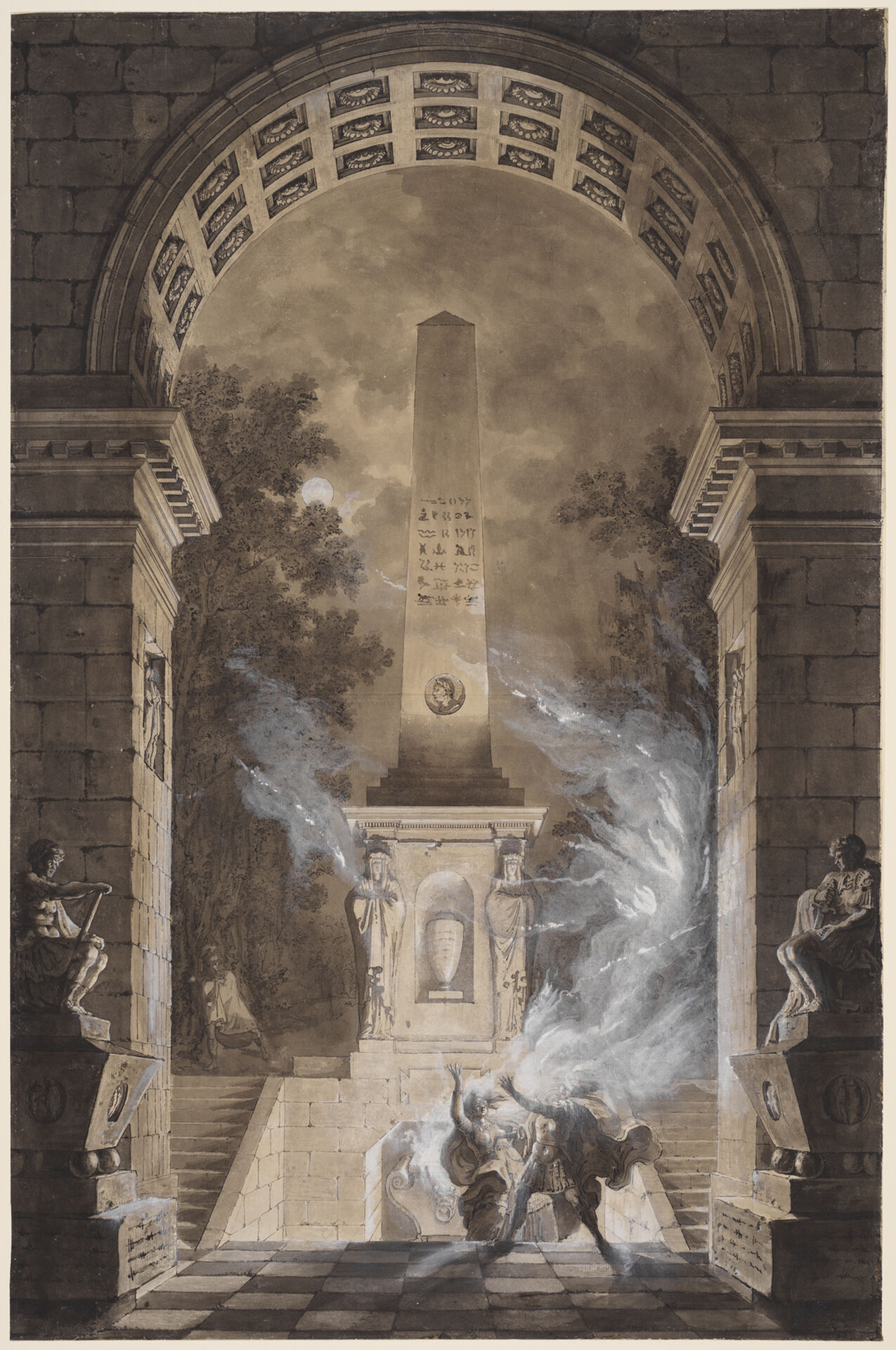
Jean-Louis Desprez: Décor for Sémiramis by Voltaire.
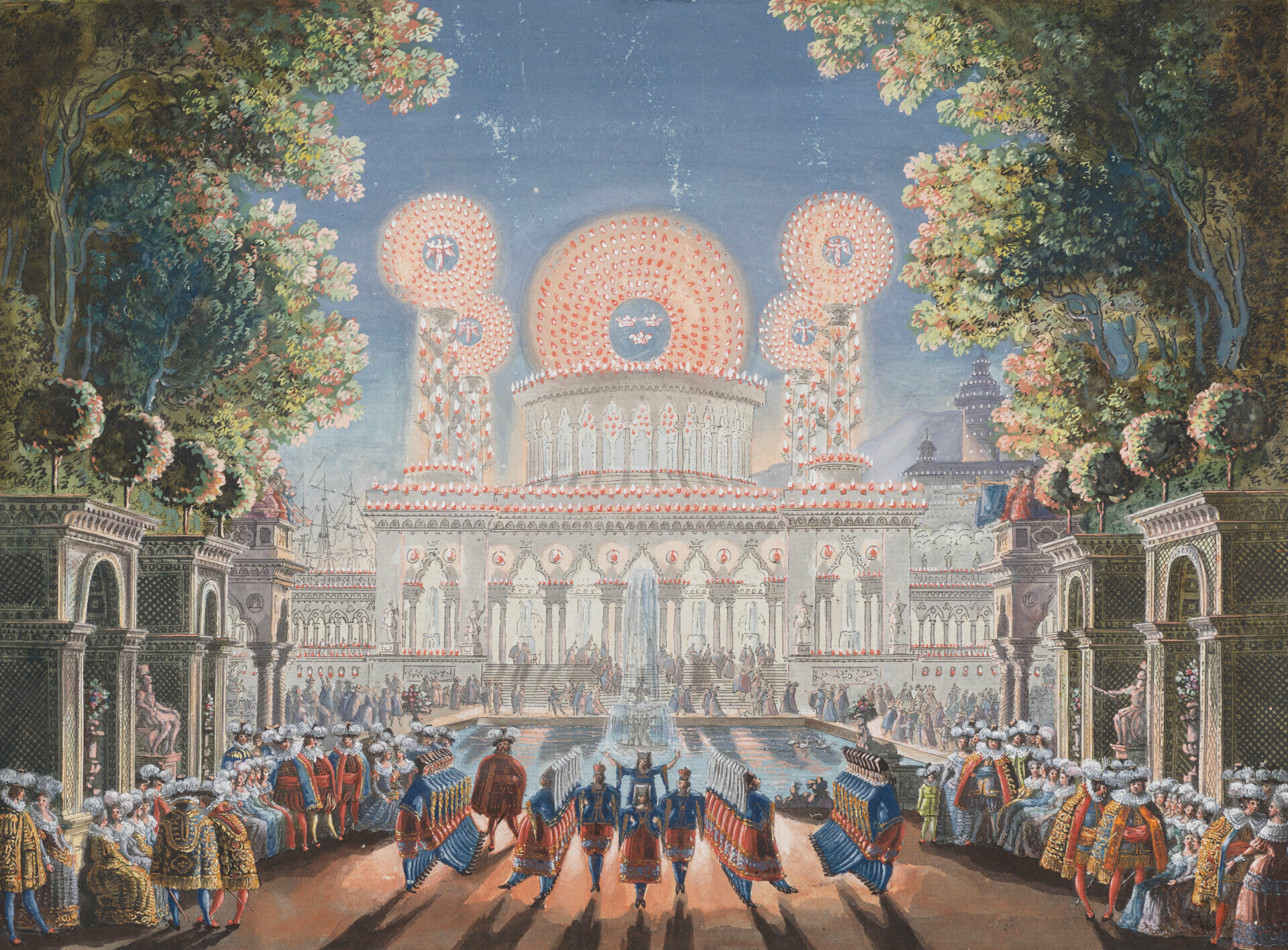
Louis Jean Desprez: The Queen orders De la Gardie to begin the celebration. Set design for the play 'Drottning Christina' ('Queen Christina'), Act I, Scene 2.
Louis-Jean Desprez, born in Auxerre just southeast of Paris in 1743, was one of the most important artists of the Gustavian era and the leading theatrical scenographer of his generation.
Desprez was trained in Paris, and during a scholarship-funded trip to Italy in 1784, he met the Swedish king, Gustav III, who contracted him to work in Stockholm creating stage sets. These would go on to revolutionize stage design.
Because of his close association with Gustav III, Desprez fell out of favor after the king’s death and lost many commissions. When he died in Stockholm in 1804, he was a destitute and forgotten artist.
Desprez had a penchant for the macabre and the romantically grotesque, and his imagery moves between dream and reality. The art he created seems to foreshadow both horror cinema and much of modern art.
The exhibition presented around twenty works – drawings and prints – drawn from both the Tessin Collection and other parts of Nationalmuseum's collections. It showcased several of Desprez’s most important graphic works, which testify to his dramatic and theatrical imagination. As the first exhibition devoted to the artist in over 30 years, he appeared more relevant than ever.