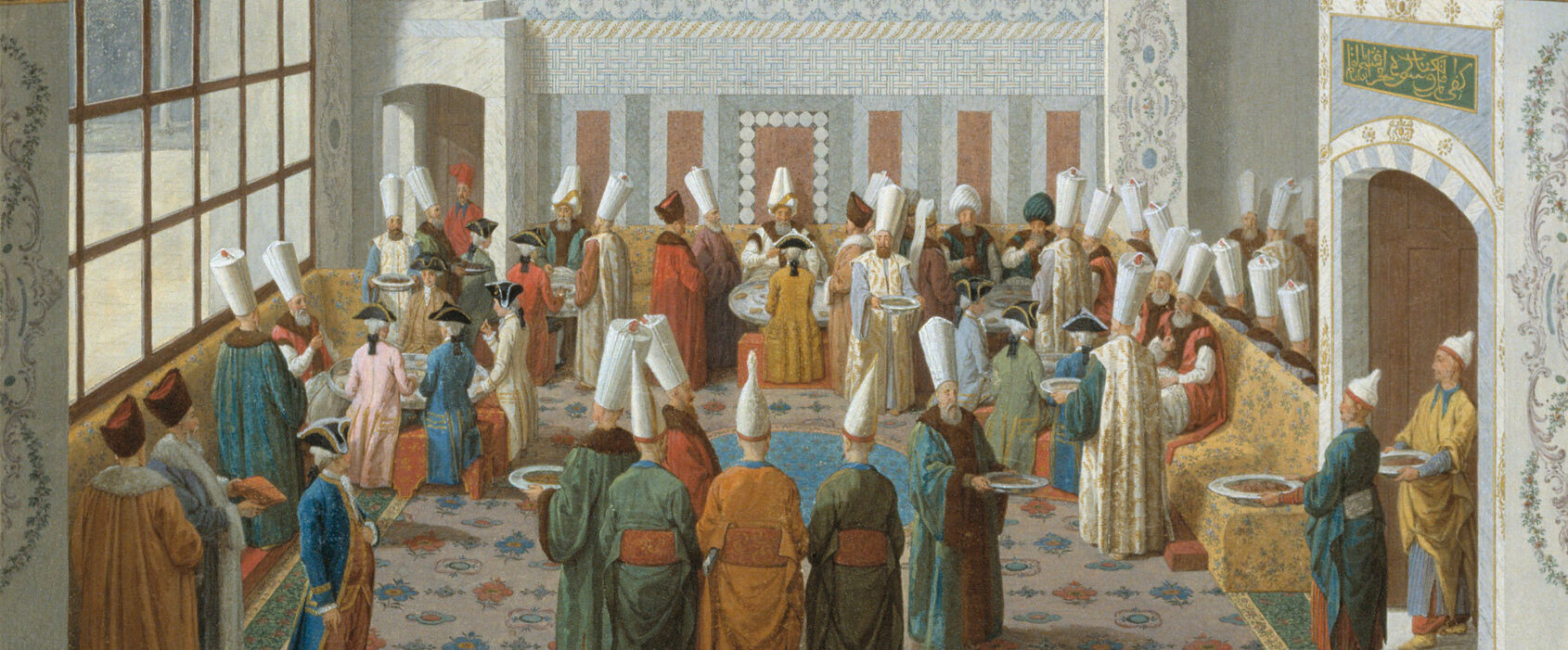
Through about 20 rarely exhibited paintings, drawings and prints, a new temporary exhibition highlights cultural exchanges between France, Sweden, and the Ottoman Empire during the 18th century. The exhibition is curated by Nationalmuseum and takes place at Institut suédois in Paris.
In the 18th century, relations between the West and the East eased after many centuries marked by armed conflicts. France, Sweden and the Ottoman Empire formed an alliance against their common enemies, Russia and Austria.Diplomatic exchanges took shape, permanent embassies were established and travel became more accessible. In this new context, a reciprocal curiosity began to develop: Europeans and Ottomans observed and influenced one another. Western artists and intellectuals became fascinated by Ottoman costumes and interiors, creating an image of an idealised world. The figure of the sultan and court life inspired literature and visual and performing arts, while sparking discussions informed by the spirit of the Enlightenment.
The exhibition presents a selection of works from the collections of the Institut suédois in Paris and Nationalmuseum in Stockholm that highlight these exchanges.
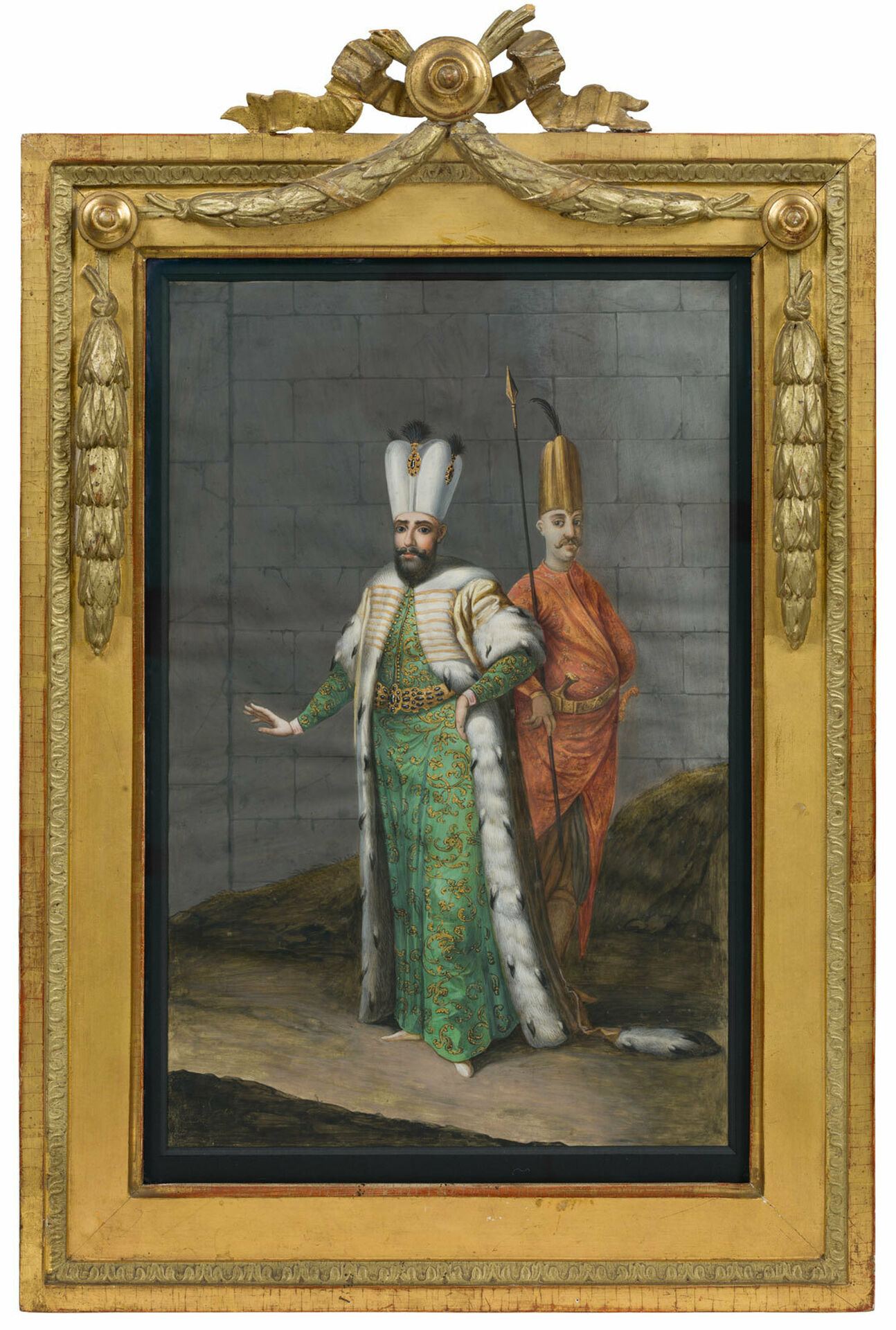
Hans Georg Müller, The Sultan and the Commander of the Janissary Corps. Gouache on parchment.
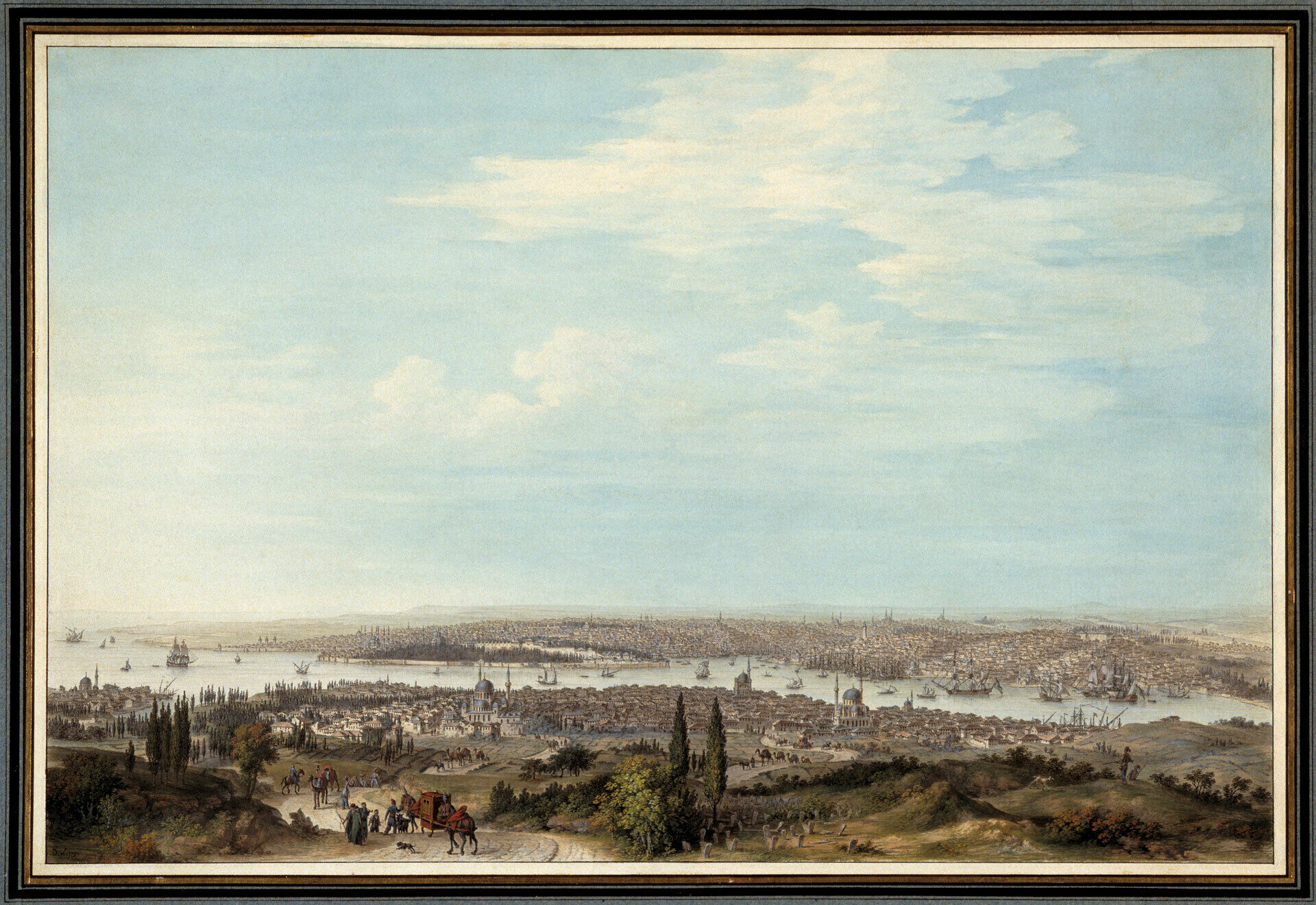
Louis Nicolas de Lespinasse, View of Constantinople. Pen and ink, wash, watercolor, and gouache on paper.
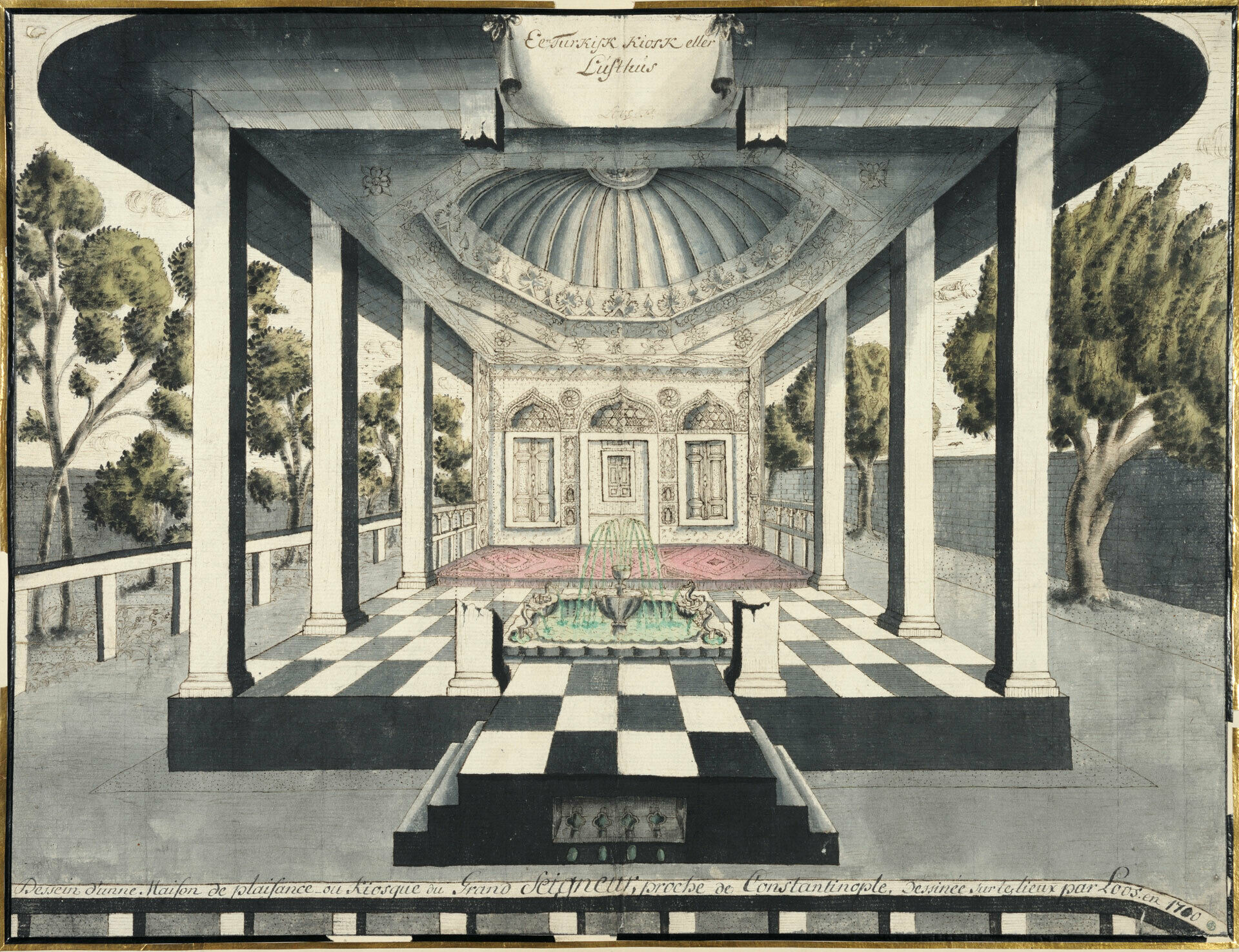
Cornelius Loos, Interior of a Pavilion near Istanbul, 1710. Pen, black and brown ink, watercolor, and gray wash on paper.
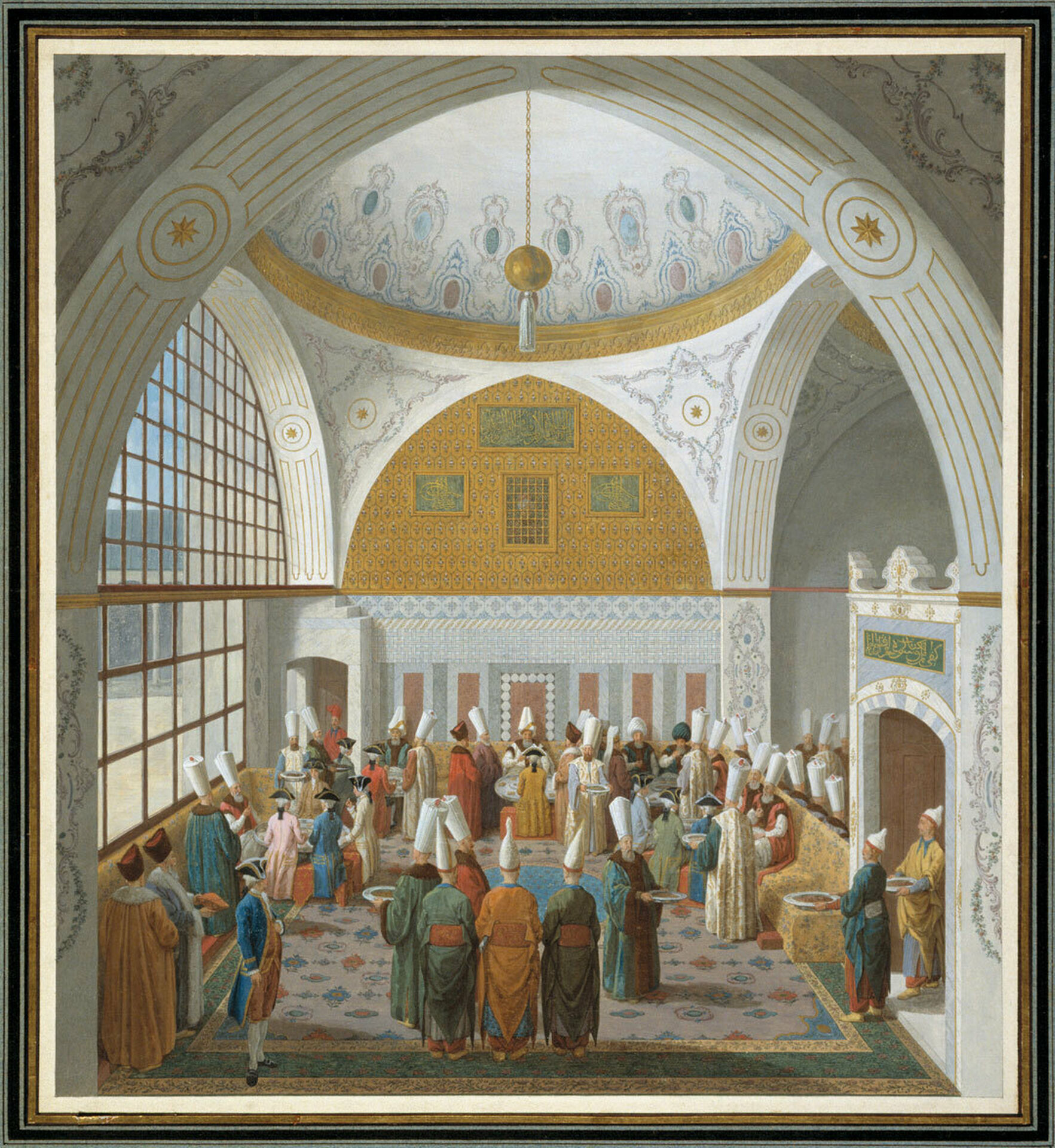
Jacques J. Barbier, The Tribunal of the Grand Viziers in Constantinople, late 18th century. Pen and black ink, gouache, heightened with white bodycolor on paper. The drawing is mounted on a contemporary cardboard support with a drawn frame in yellow, black, and gold.
Exhibition curator: Martin Olin, Director of the Nationalmuseum collections.
More about Institut suédois
The Institut suédois is the only Swedish cultural institute outside Sweden. It fosters cultural and artistic exchanges between France and Sweden, through its exhibitions and events program, its residencies for artists and researchers based in Sweden, and its Swedish language courses. Nationalmuseum in Sweden manage the art collection and the permanent exhibition of the Institut suédois.