Illustrations in manuscripts are among the most significant categories of visual art to have survived from the Middle Ages. During the nineteenth and twentieth centuries, the demand to supply the international art market with objects tempted dealers to commit acts that are today regarded as ruthless vandalism. Manuscripts were cut apart to sell as individual illuminations. As early as the nineteenth century, scholars lamented that these fragments had been removed from their original contexts, making it almost impossible to understand their history. For many years, the fragments were neglected by scholarly research, but in recent decades academic interest has been revived.
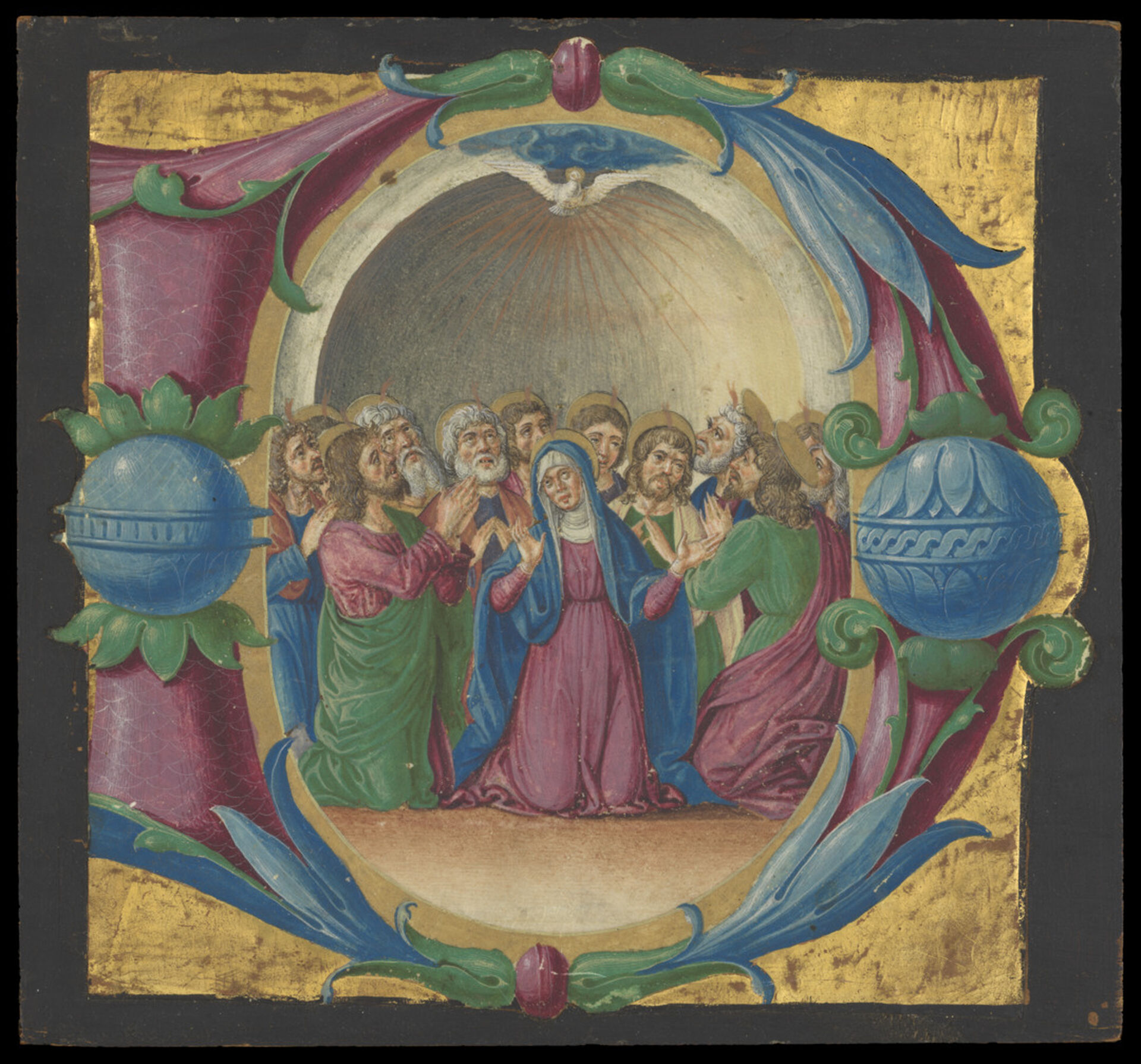
Unknown artist, The Holy Spirit Descends upon the Disciples on the Day of Pentecost, NMB 1486. Photo: Ambrose Hickman/Nationalmuseum.
A pioneer in this field was Carl Nordenfalk, who was responsible for the Nationalmuseum’s collection of illuminated manuscripts and who curated the exhibition Medieval and Renaissance Miniatures from the National Gallery of Art in Washington, D.C., in 1975. While contemporary research is, of course, critical of the destruction instigated by the art trade until quite recently, researchers now also see new opportunities to reanalyse these objects, and digital reconstructions of the original manuscripts have even begun.
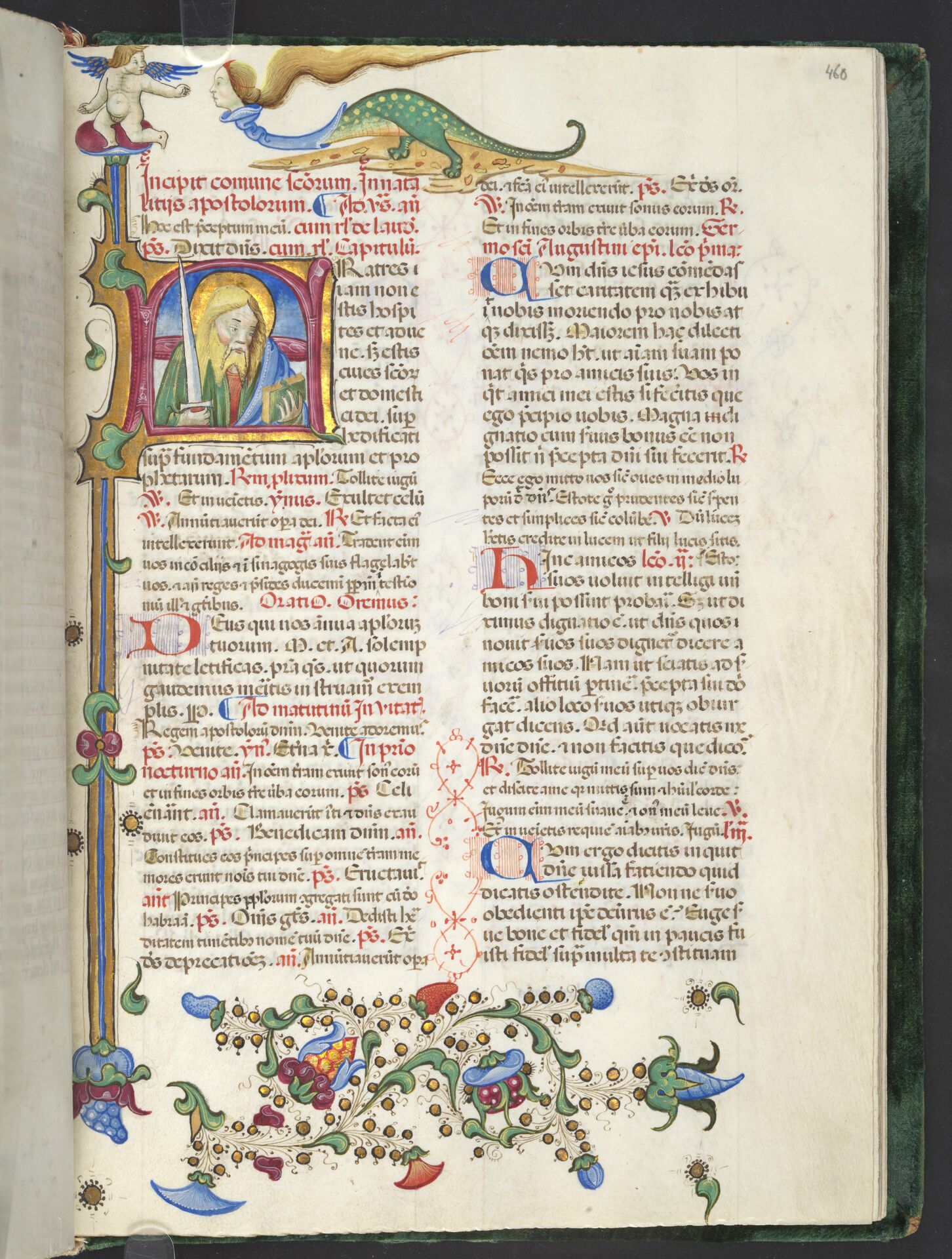
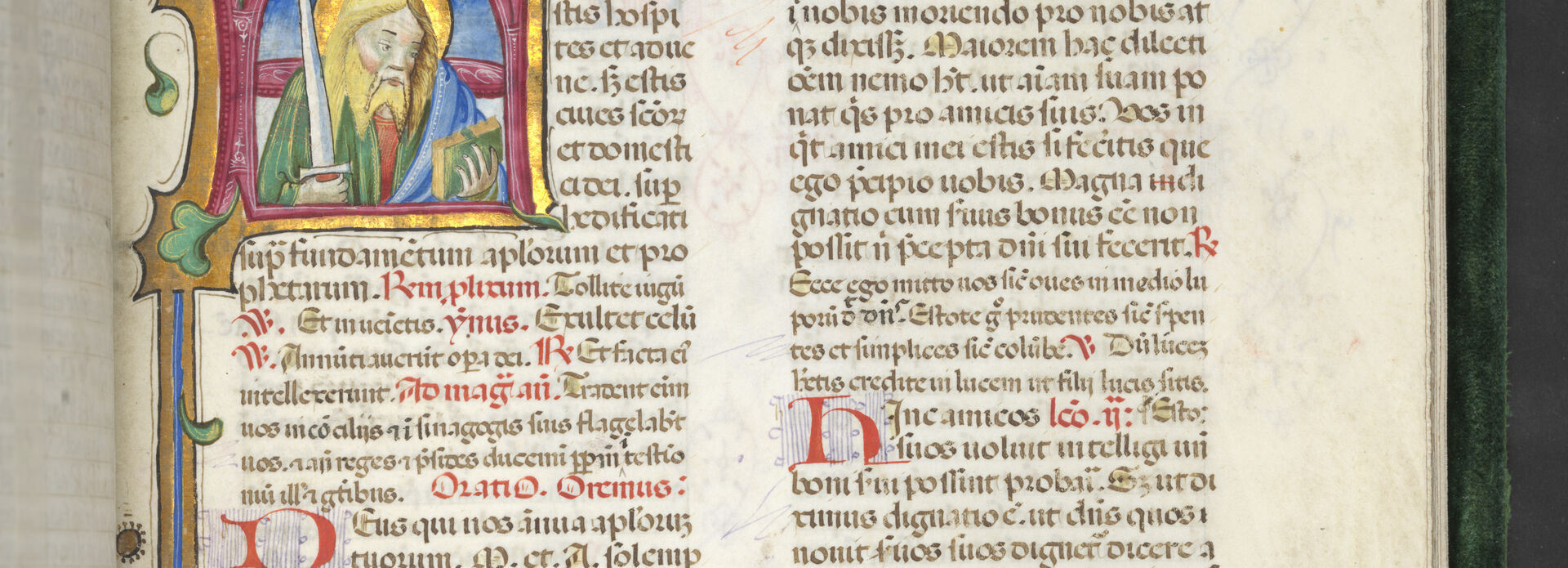
Giacomo da Balsamo (c. 1425–1503), Breviarium, Manuscript Bound in Green Velvet, fol. 460, NMB 1212. Photo: Ambrose Hickman/Nationalmuseum.
The project focuses on the small, yet internationally significant collection of fifty manuscript fragments preserved at the Nationalmuseum. Few scholars have studied this collection. By employing new art-historical methods of analysis, digital tools, archival research, international collaboration, and Carl Nordenfalk’s extensive and unpublished archive, the project aims to illuminate not only the fragments’ medieval context but also to discuss the choices made by nineteenth- and twentieth-century actors on the art market when they cut out and traded these fragments.
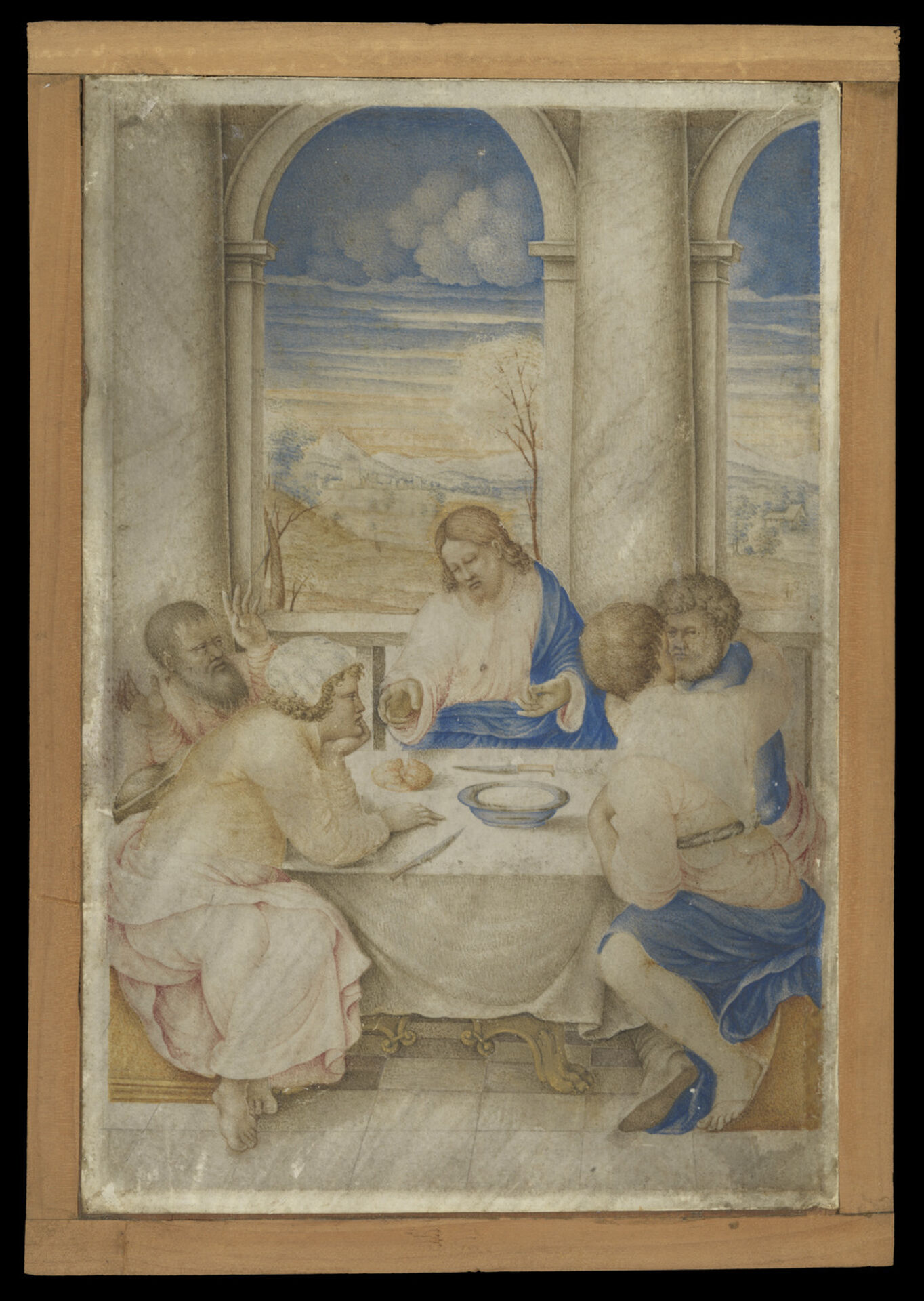
Unknown artist, The Supper at Emmaus, NMB 120. Photo: Ambrose Hickman/Nationalmuseum.
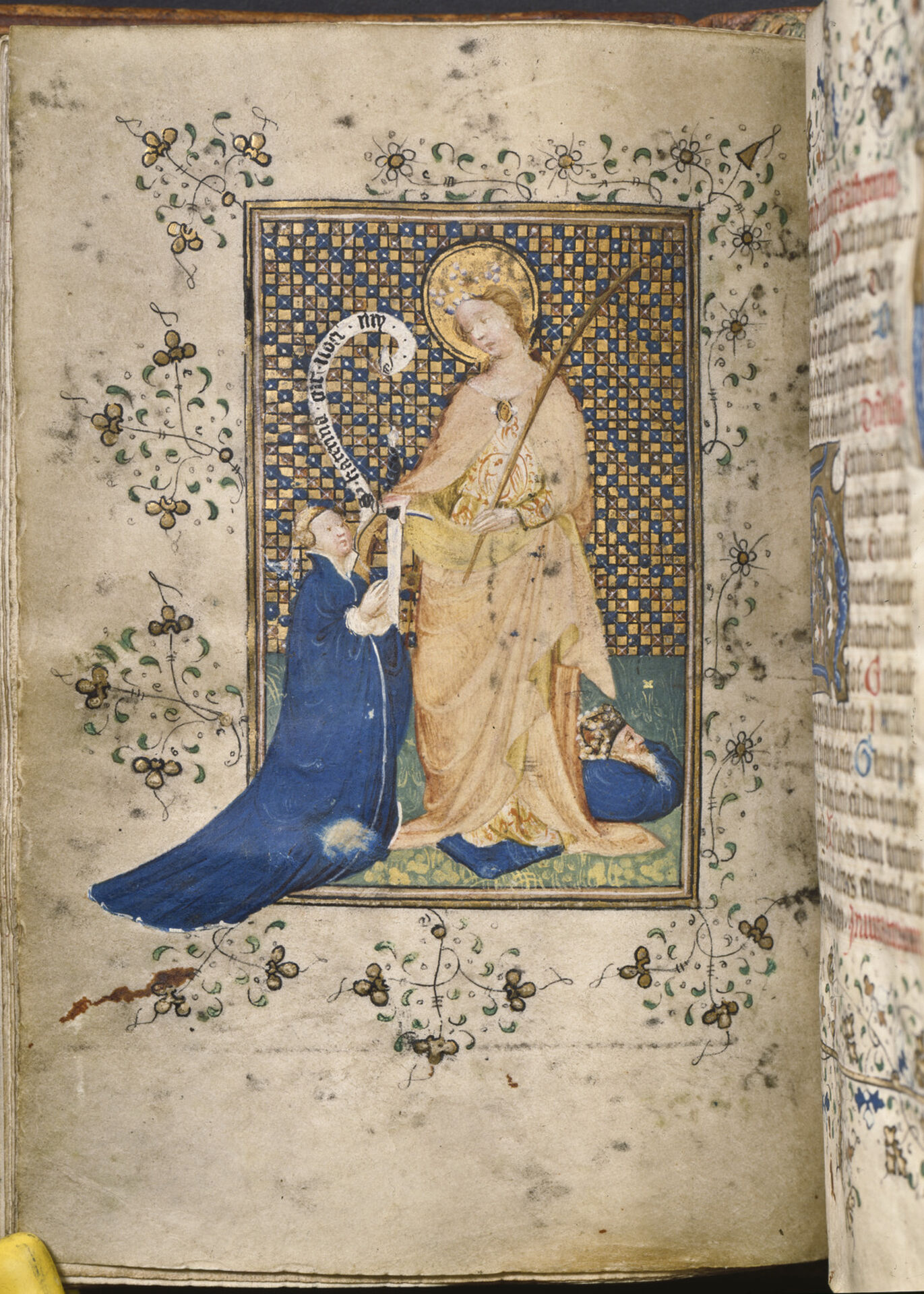
Master of Zweder van Culemborg (active 1420–1440), Workshop of, Book of Hours: St. Catherine and Kneeling Donor, fol. 110, NMB 1646. Photo: Nationalmuseum.
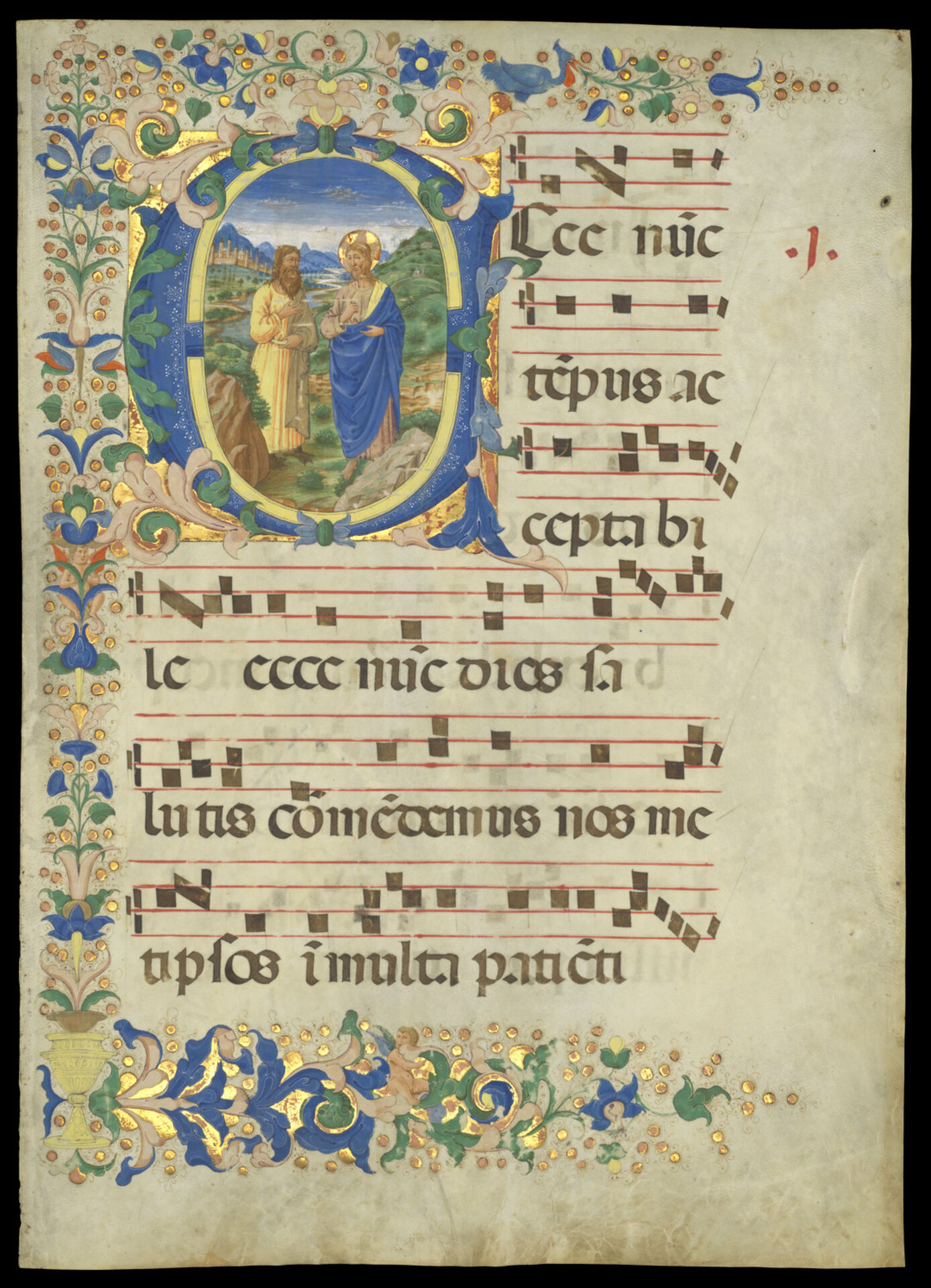
Antonio di Niccolò di Lorenzo di Domenico (1445–1527), Franciscan Antiphonary from San Salvatore al Monte in Florence, NMB 1213. Photo: Ambrose Hickman/Nationalmuseum.
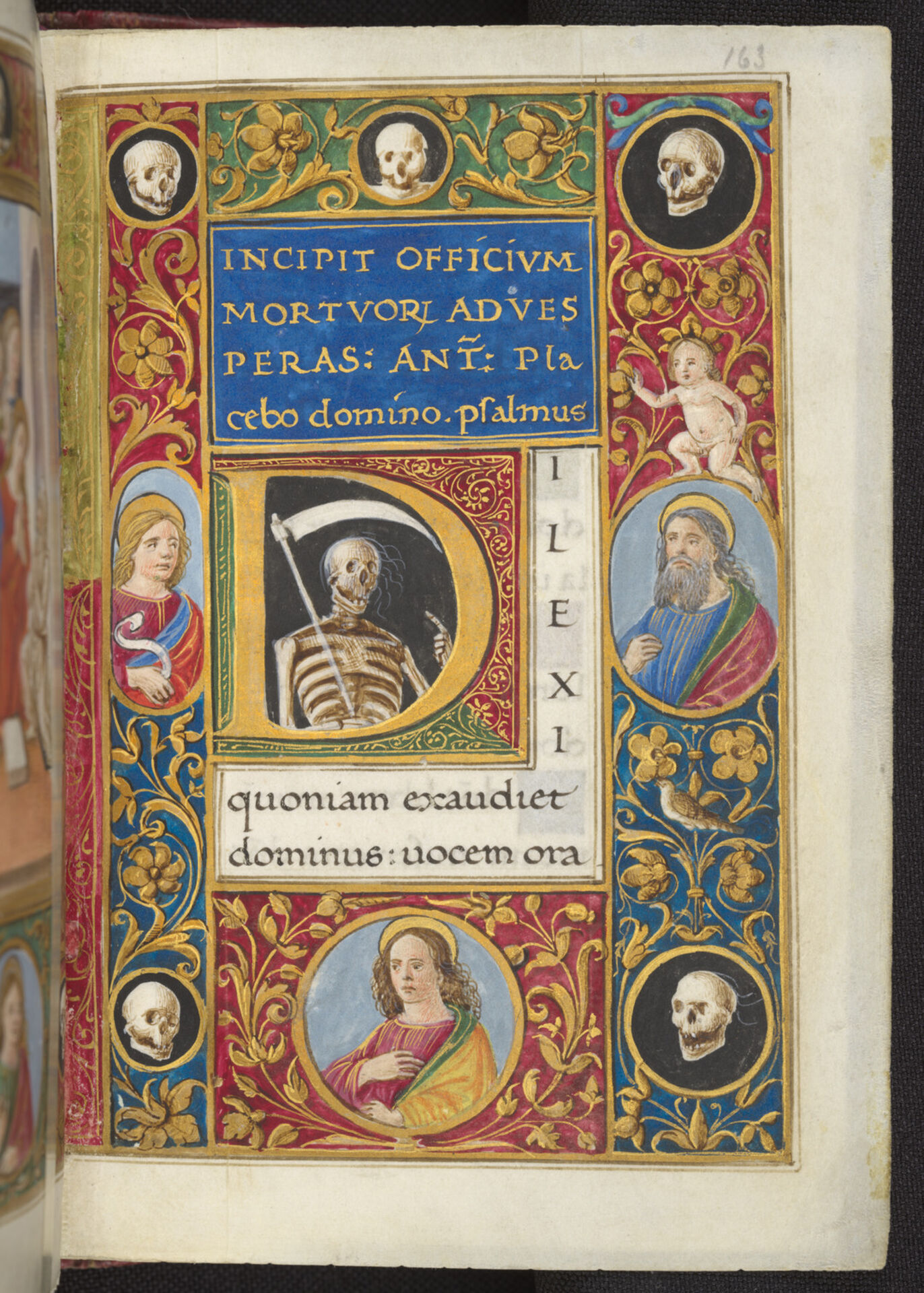
Attavante Attavanti (1452–1520/1525), Manner of, The Hours of Giraldi-Guicciardini: Death Carrying a Scythe, fol. 163, NMB 1960. Photo: Ambrose Hickman/Nationalmuseum.
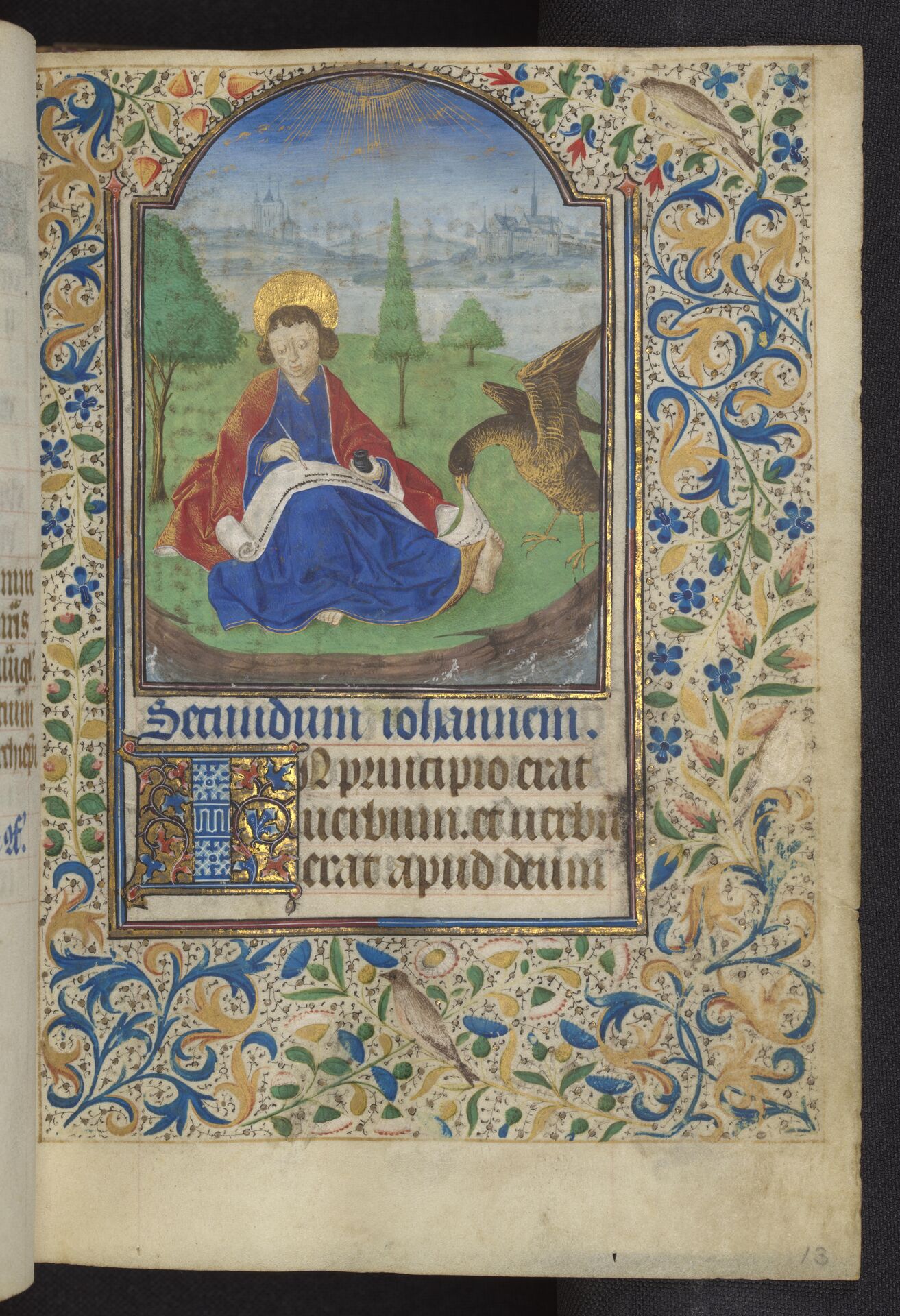
Unknown artist, Book of Hours from Chartres in France: St John the Evangelist Writing on a Scroll, fol. 13, NMB 1211. Photo: Ambrose Hickman/Nationalmuseum.
Duration
2024–2026
Funding
The project is funded by the Berit Wallenberg Foundation.