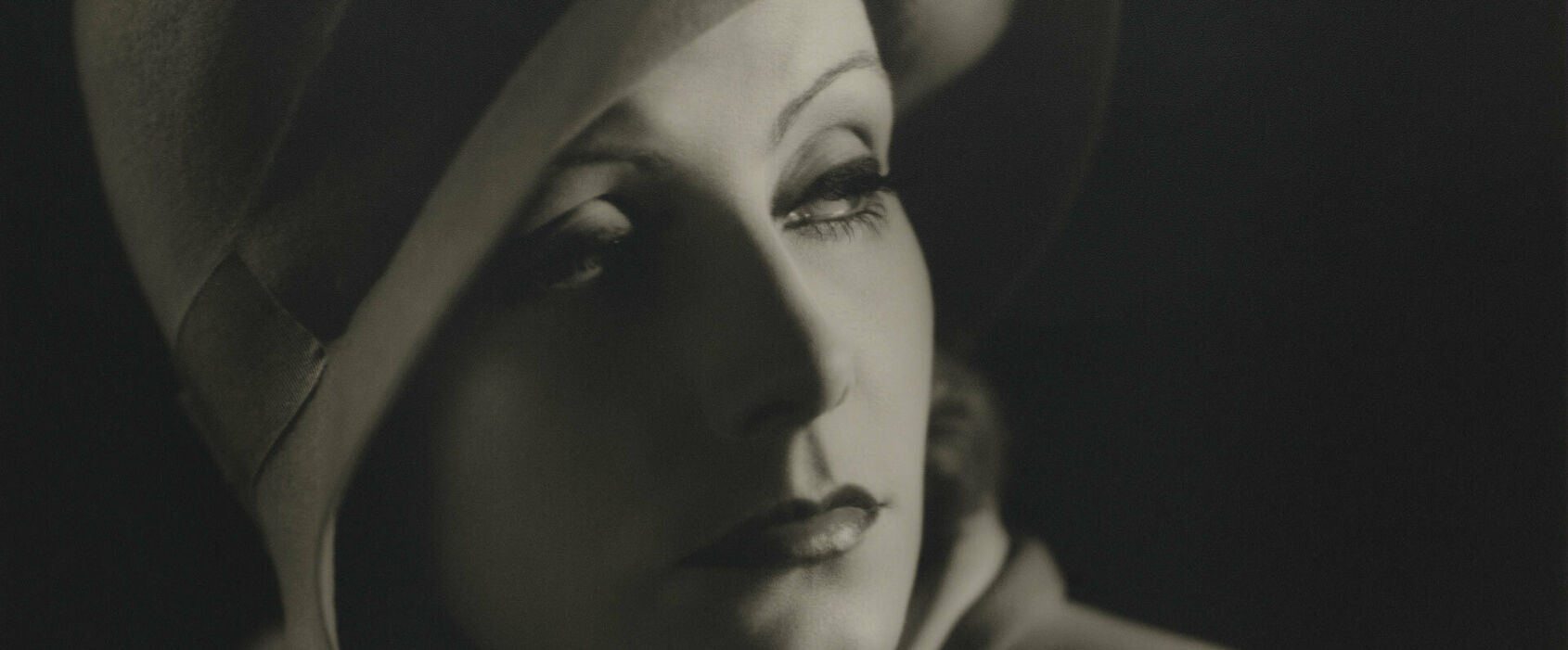
Queen Christina, Greta Garbo, Max Martin. What about you? Who gets a place in the National Portrait Gallery — and who decides? The winter exhibition 2025/26 explored questions about what portraits are and what they have meant, both then and now. The exhibition showcased over 100 portraits of sports stars, artists, royals, and other Swedish personalities.
About the exhibition
What is a national portrait collection – and what could it be? That question formed the starting point for Nationalmuseum’s winter exhibition 2025/26. The National Portrait Gallery was founded in 1822 as a collection of portraits of prominent Swedes. Considered the world’s oldest national portrait gallery, the collection has long been part of Nationalmuseum and is on display at Gripsholm Castle in Mariefred.
This exhibition presented a selection of portraits from the National Portrait Gallery, together with paintings and sculptures from other parts of the museum’s collections.
Famous works such as The Lady with the Veil by Alexander Roslin—a portrait of the artist’s wife, painter Suzanne Giroust, from the 18th century—were presented alongside more contemporary works such as Mikael Jansson’s portrait of music producer Max Martin, Clarence Sinclair Bull´s portrait of actress and film star Greta Garbo and Marja Helander’s portrait of artist Britta Marakatt-Labba.
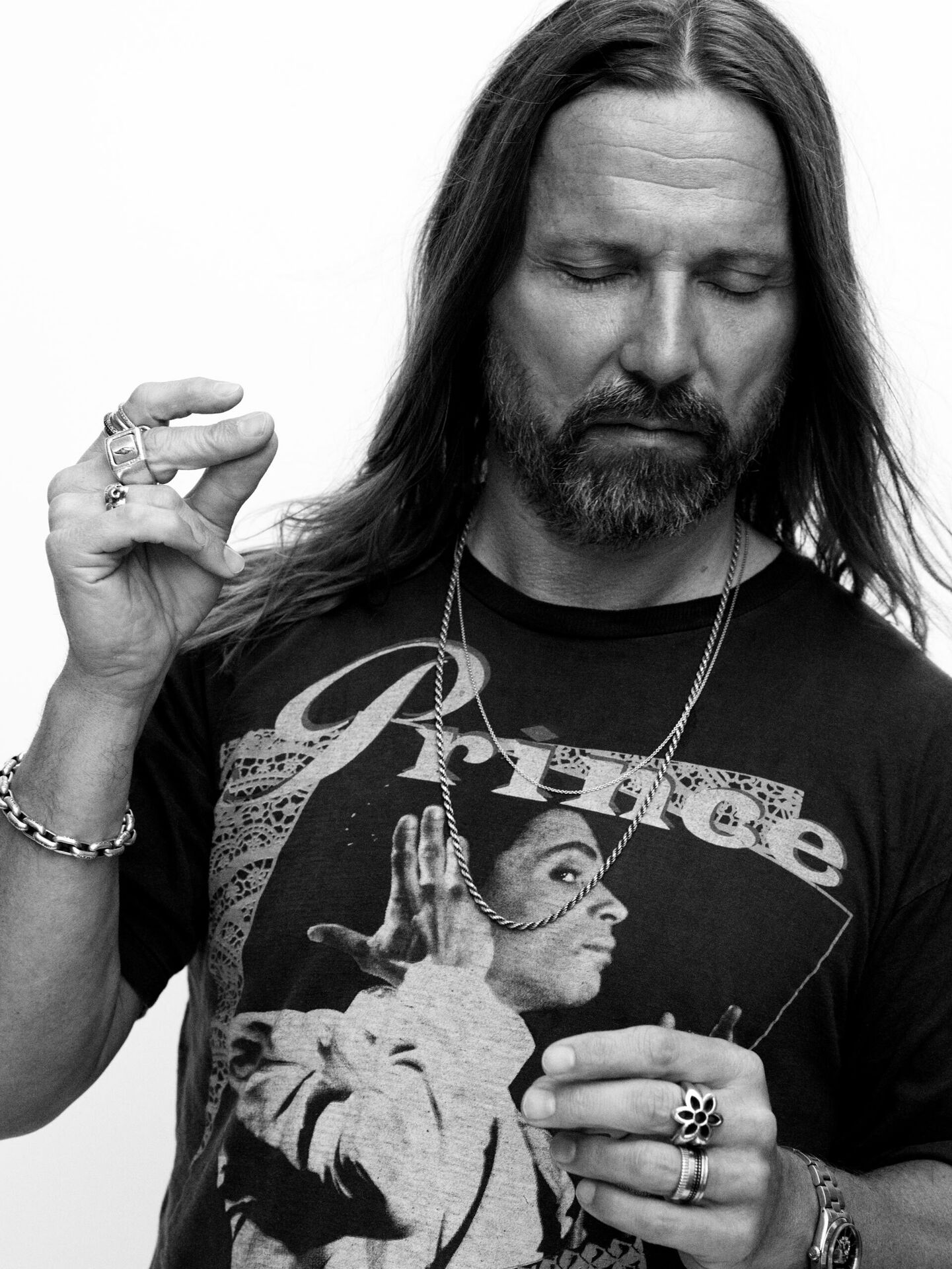
Mikael Jansson, Karl Martin Sandberg, known professionally as Max Martin (born 1971), music producer, songwriter; on the t-shirt Prince Roger Nelson, known professionally as Prince (1958-2016), American singer, musician, songwriter.
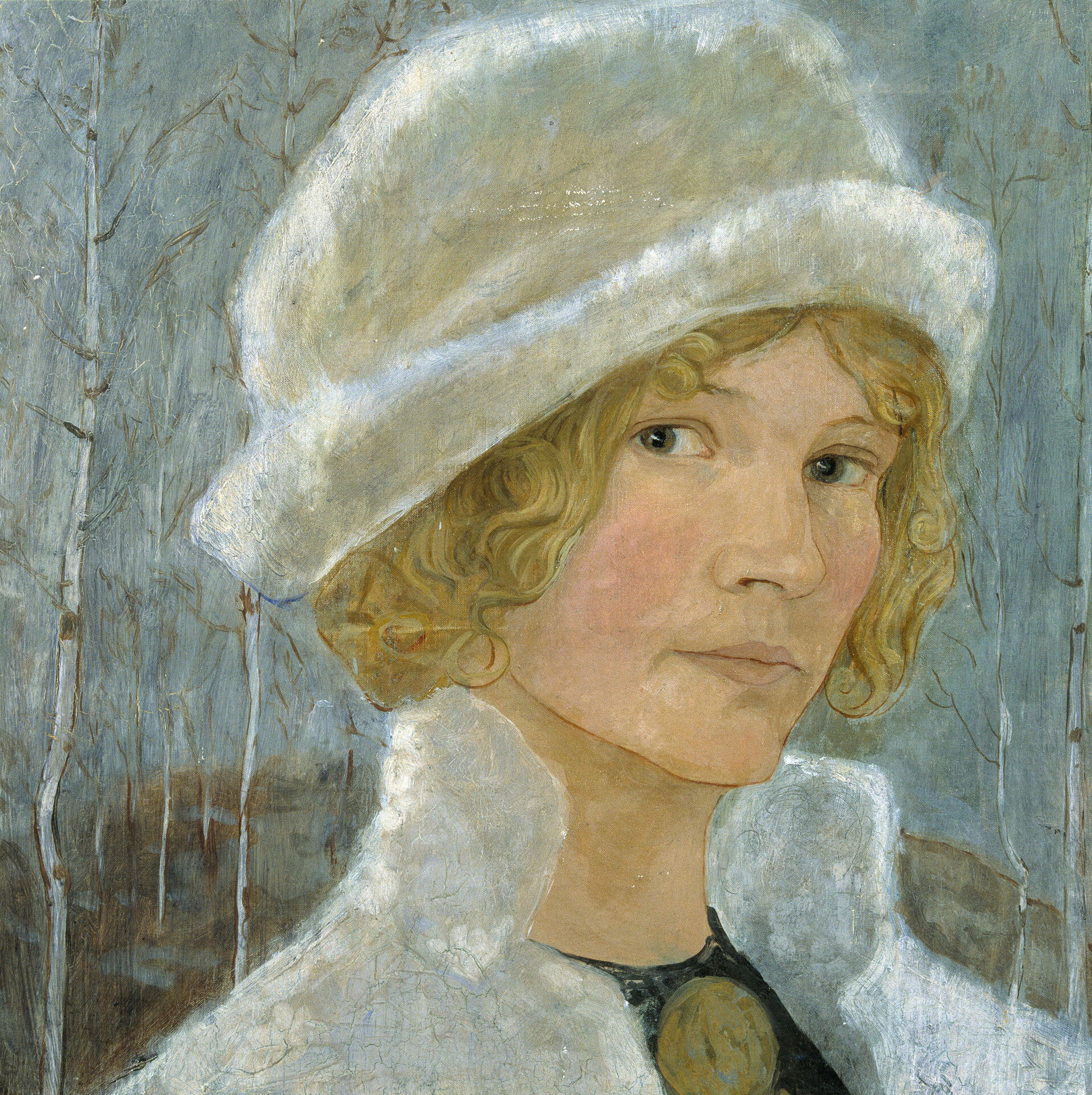
Esther Ellqvist, Selfportrait, 1910. Oil on canvas.
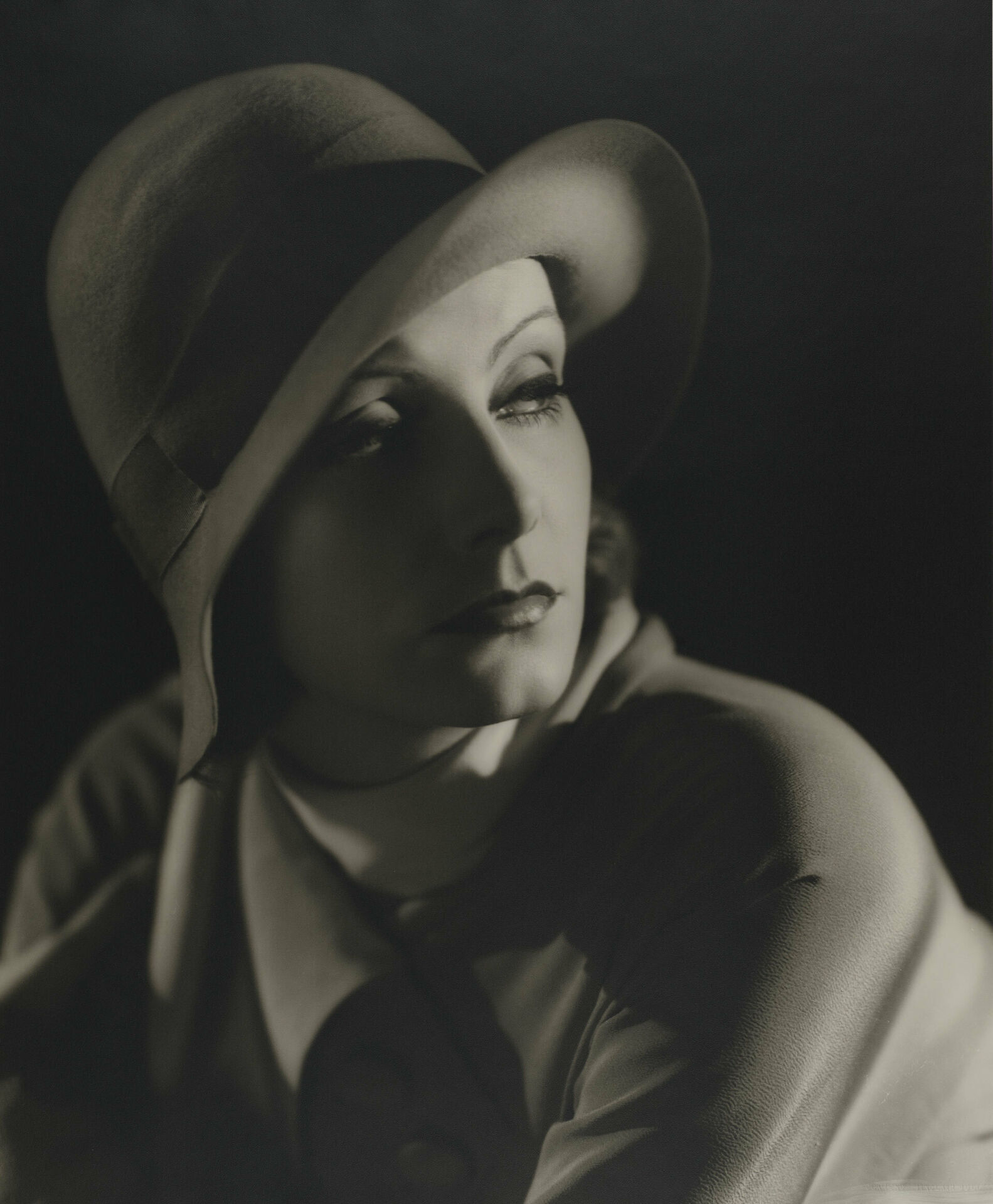
Clarence Sinclair Bull, Greta Garbo (1905-1990) Actress, from The Kiss 1929.
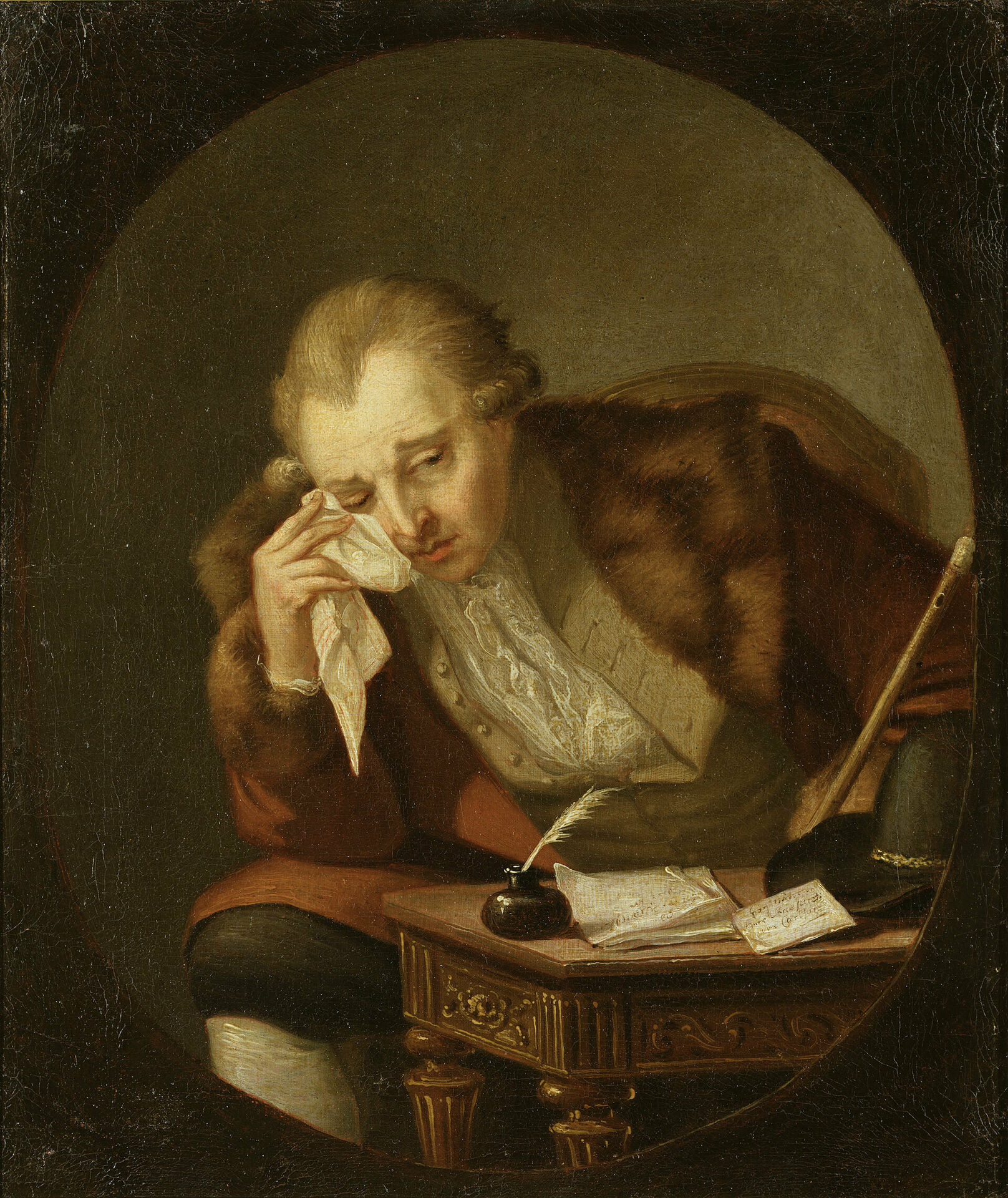
Pehr Hilleström d.ä., Carl Michael Bellman, 1781 or 1790. Oil on canvas.
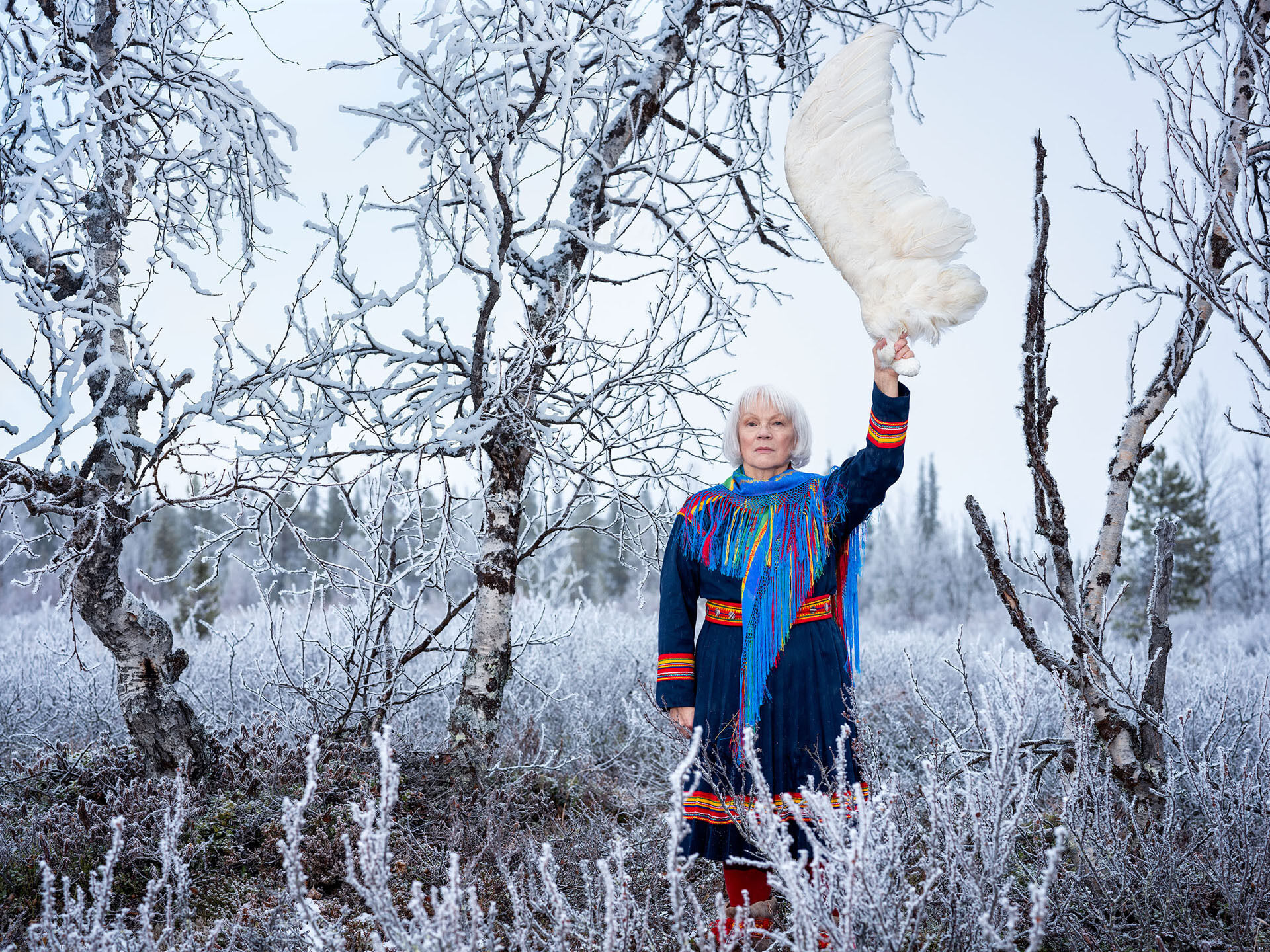
Marja Helander, Britta Marakatt (born 1951), PhD h.c., Sámi textile artist, graphic artist, painter, married to reindeer owner Nils Johannes Labba.
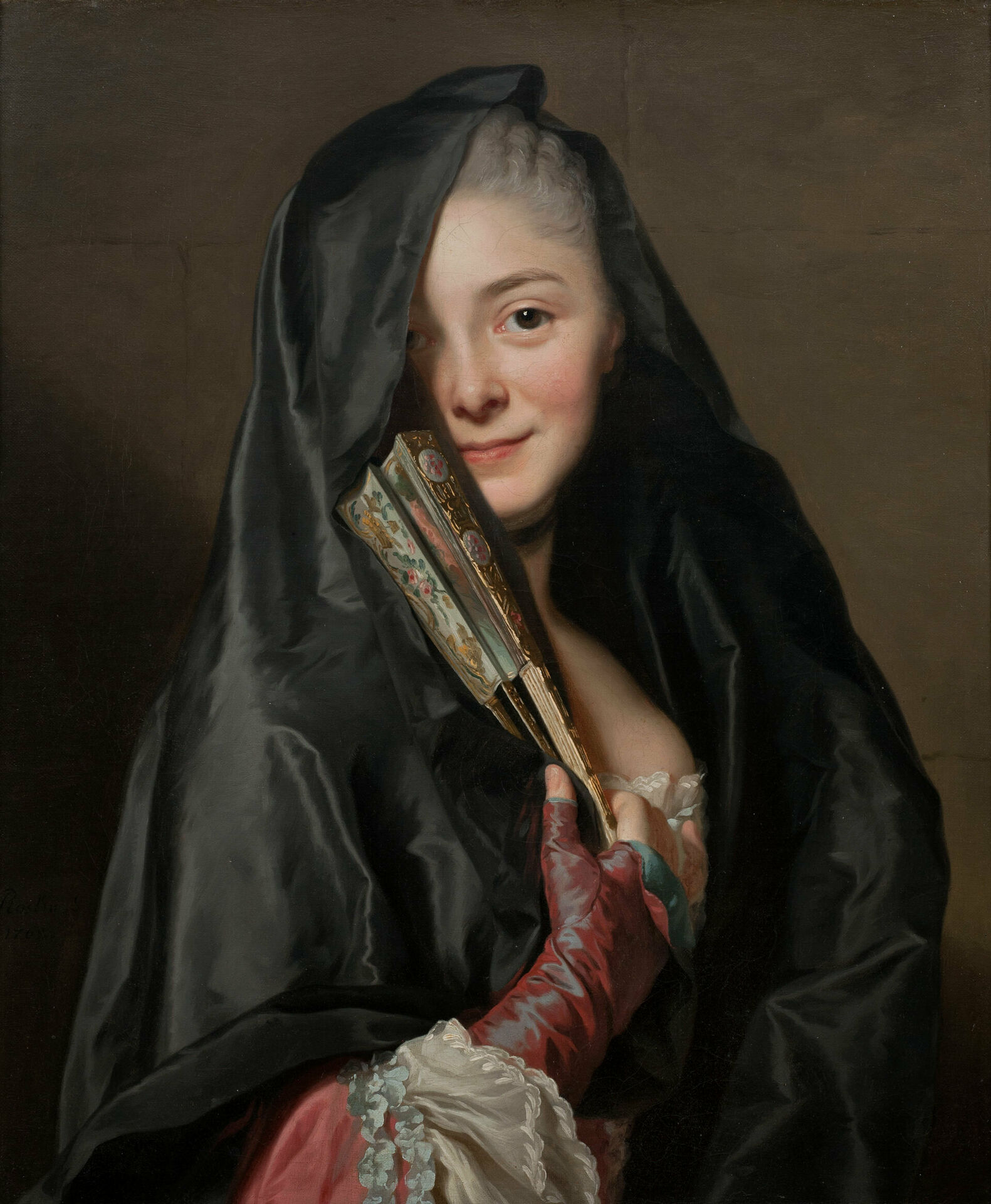
Alexander Roslin, The Lady with the Veil, the artist's wife Suzanne Giroust.
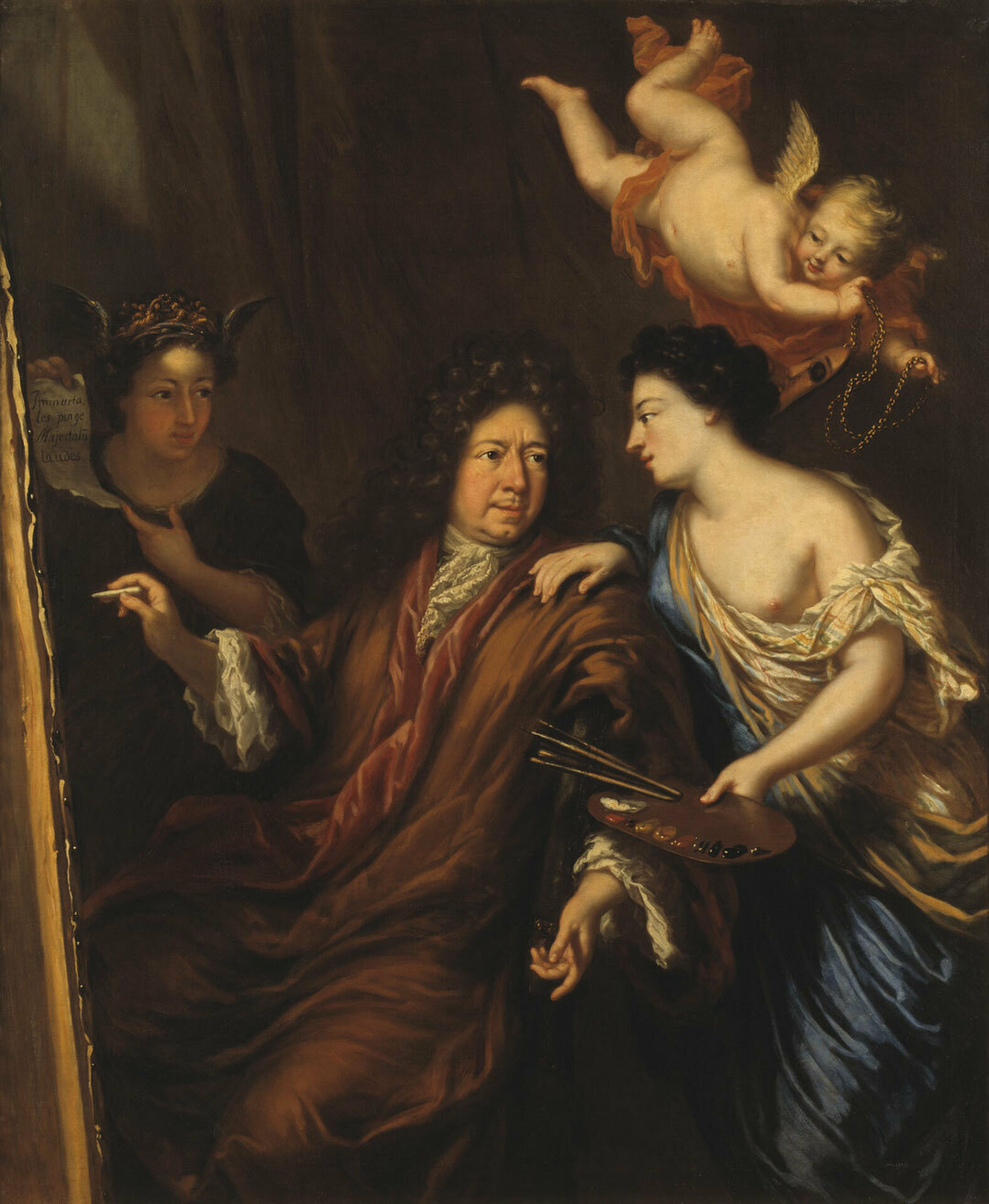
David Klöcker Ehrenstrahl, Selfportrait with Allegories, 1691. Oil om canvas.
The exhibition also raised fundamental questions about what a portrait is. Throughout history, images of society’s leaders have been used to convey and reinforce power. The National Portrait Gallery primarily reflects the country’s elite and powerholders through the ages. On a personal level, portraits have long served to remember family members and friends. The image of a face is strongly linked to our idea of a person’s character and identity. Today, the selfie taken with a mobile phone is one of the most defining visual expressions of our time.
The exhibition explored the varied roles and functions of portraiture throughout history and in our contemporary world. Here, artists’ self-portraits, portraits of children, depictions of friends, monarchs and ministers, Nobel Prize winners, musicians, actors, athletes, and authors were brought together. The exhibition also invited visitors to reflect on who is still missing from the collection—but perhaps ought to be included.